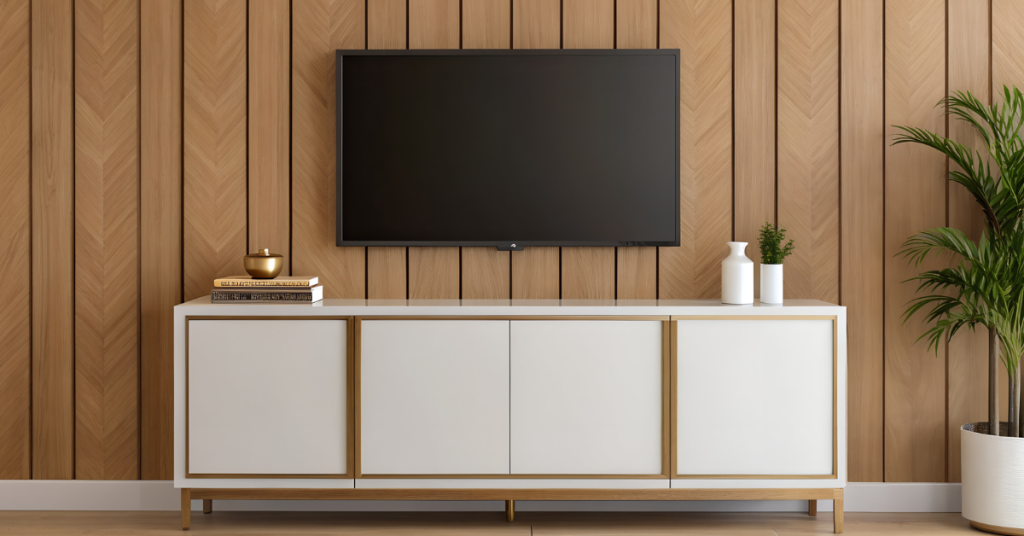
A wall-mounted television transforms any living room, creating a modern, space-saving entertainment centre. Yet, that sleek aesthetic often falls victim to a tangled web of dangling power cords, HDMI cables, and other wires. This common eyesore can disrupt the clean lines of your HDB flat and introduce unnecessary clutter. Learning how to conceal wires on a wall mounted TV is the final, critical step in achieving a polished, professional-looking installation. For Singapore residents, this process involves navigating specific building regulations and choosing methods that protect your wall integrity. This comprehensive guide explores every viable strategy, from simple DIY fixes to more involved professional solutions, ensuring your setup is both beautiful and compliant.

The Importance of a Clean Setup
Concealing television wires delivers benefits that extend far beyond a tidy appearance. A well-managed cable system significantly enhances safety by removing tripping hazards, especially important in homes with children or elderly family members. It prevents cables from becoming dust traps and protects the cords themselves from potential damage caused by pulling, bending, or pet interference. Furthermore, a clean wire management system simplifies future maintenance or upgrades; when each cable is clearly routed and accessible, swapping out a gaming console or soundbar becomes a straightforward task instead of a frustrating excavation.
Navigating HDB Regulations for Drilling and Renovation
Before you pick up a drill or make any permanent alterations, understanding the HDB’s guidelines for renovation works is important. The HDB has clear rules regarding building works, which include drilling into walls and floors. While minor drilling for wall-mounted fixtures is generally permissible, creating large chases or channels in walls for concealing wires may fall under more stringent controls, especially if it affects structural elements or common property. The guidelines explicitly caution against work that damages or alters structural components. Therefore, any method that involves cutting into the wall requires careful consideration and, in many cases, professional assessment to ensure compliance and avoid compromising hidden electrical conduits or rebar within the concrete.
Assessing Your Wiring and Setup Requirements
A successful wire concealment project begins with a thorough assessment of your specific setup. First, take an inventory of every device that needs a connection to your television. A typical setup might include a power cord, a media streaming device, a soundbar or home theatre system, and gaming consoles. Each will require specific cables—HDMI, optical audio, and power. This inventory determines the number and type of cables you need to manage and the capacity of the concealment solution you choose. You should also consider future expansion; installing a solution with extra space saves you from repeating the entire process when you add new equipment.
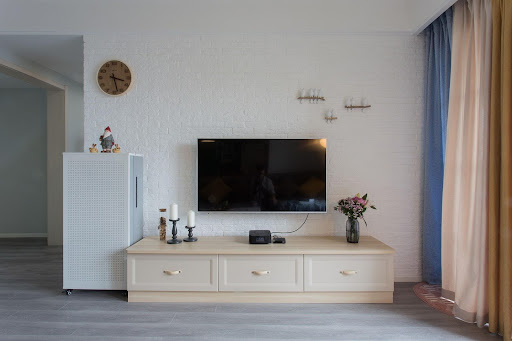
A Survey of Effective Wire Concealment Methods
Homeowners in Singapore have several effective strategies at their disposal, each with varying levels of complexity, permanence, and visual impact.
Cable Raceways
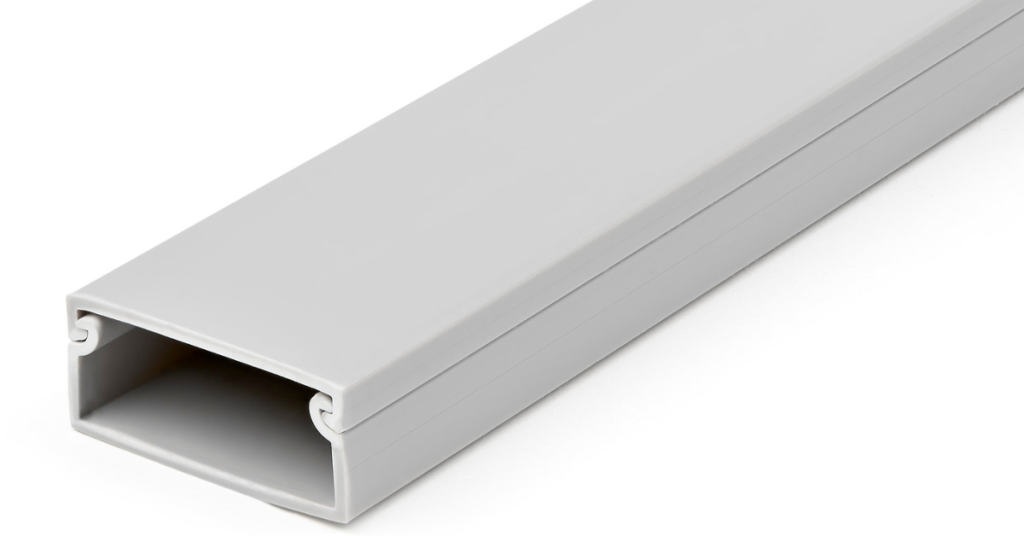
Cable raceways, or cord covers, present the most accessible and HDB-friendly approach to wire management. These plastic or PVC channels attach directly to your wall surface, creating a dedicated pathway for cables from your TV down to the power outlet and media units. Their primary advantage lies in their non-invasive installation; most models adhere with strong double-sided tape or require only minimal screws, avoiding the major structural work HDB guidelines restrict. Modern raceways are paintable, allowing you to blend them perfectly with your wall colour for a less conspicuous appearance. While they do create a slight protrusion on the wall, their ease of installation and complete reversibility make them an outstanding choice for renters and homeowners alike.
In-Wall Cable Management Kits
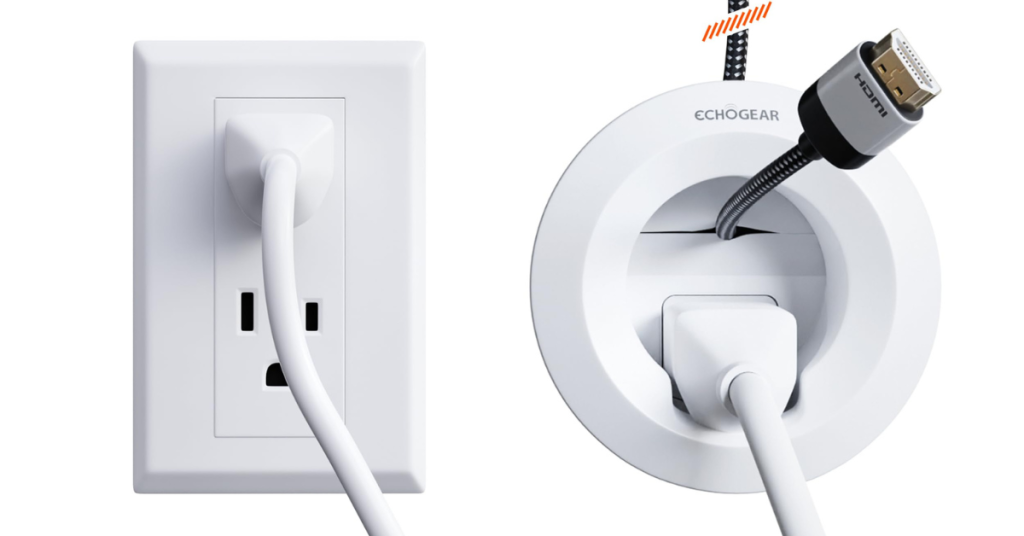
For those seeking the cleanest possible look, in-wall cable management kits offer a near-professional solution. These kits typically include two wall plates—one behind the TV and one near the skirting board—connected by a flexible conduit that runs inside the wall cavity. This method creates the illusion that all cables disappear directly into the wall, resulting in an exceptionally tidy finish. It is crucial to understand that this approach requires drilling two larger holes and fishing cables through the wall cavity, a process that demands precision and a good understanding of your wall’s construction. You must exercise extreme caution to avoid drilling into existing electrical wiring or structural components, a task where professional assistance proves invaluable.
Creative Camouflage and Furniture Placement
Not every solution requires hardware. Creative interior design strategies can effectively hide wires with minimal effort. Running cables behind a tall, strategically placed piece of furniture like a bookshelf or a console table is a simple and effective method. Similarly, using decorative elements such as false plants, draped fabric, or strategically hung wall art can draw the eye away from cable routes. For a more integrated look, some homeowners choose to run wires along the edges of baseboards or door frames, securing them with clear adhesive clips, and then painting over them to match the trim. These methods require no drilling and offer maximum flexibility, though they may not achieve the same pristine result as more dedicated solutions.
Preparation
Proper preparation separates a professional-looking result from a haphazard one. Begin by gathering all necessary tools and materials. You will likely need a measuring tape, a spirit level, a pencil for marking, a power drill with appropriate bits, a stud finder, and the chosen concealment products. The next critical step is to completely disconnect and unplug all your devices. This ensures safety and gives you the freedom to plan the cable route without obstruction. Use the spirit level to mark a perfectly vertical line on the wall where you intend to place a raceway or an in-wall kit. This line serves as your guide for a straight and neat installation. If you are using an in-wall kit, a stud finder is essential to locate wooden or metal studs within the wall, helping you avoid them when drilling.
A Step-by-Step Guide to Installing a Cable Raceway
For a balance of effectiveness and simplicity, the cable raceway installation is a popular choice.
- Dry fit the raceway pieces against your marked vertical line on the wall, ensuring the length is adequate to cover the entire cable run from the TV to the power outlet.
- Prepare the wall surface by thoroughly cleaning it with isopropyl alcohol to remove any dust or grease. This ensures the adhesive backing will form the strongest possible bond.
- If your raceway uses adhesive, peel off the backing and carefully press the channel onto the wall, following your marked line. Apply firm pressure along its entire length. For screw-in models, drill pilot holes and secure the raceway to the wall.
- Place all your cables inside the main channel, grouping them neatly. Avoid forcing or over-tightening bundles, as this can damage the cables.
- Snap the raceway cover into place, concealing the wires completely. For a finished look, you can now paint the raceway to match your wall colour.
A Step-by-Step Guide to Using an In-Wall Cable Kit
For those undertaking a more advanced installation, an in-wall kit provides a superior finish.
- Use a stud finder to locate a safe space between wall studs for your upper and lower mounting points. Mark the centre points for your two holes.
- Carefully cut the holes using a drywall saw or a hole cutter attachment on your drill. Follow the template provided in the kit for accurate sizing.
- Feed the included flexible conduit or fish tape from the top hole down to the bottom hole. This step can be tricky and may require patience to navigate within the wall cavity.
- Attach your cables to the fish tape and gently pull them through the conduit from the top outlet to the bottom one. Take care not to exceed the conduit’s capacity.
- Install the two wall plates—one at the top and one at the bottom—securing them according to the manufacturer’s instructions. These plates will have grommets or brushes to feed the cables through cleanly.
- Connect your devices, plug them into the power source, and mount your television. Enjoy the clean lines of a wire-free wall.
Troubleshooting Common Wire Management Challenges
You may encounter obstacles during your project. A frequent issue is cables that are too short to run through a raceway or in-wall conduit. The simplest remedy is to purchase high-quality, longer replacement cables of the correct specification. If your wall is made of especially hard concrete, a common feature in HDB flats, you may find drilling difficult. In such cases, using a hammer drill with a masonry bit and applying steady, firm pressure is necessary. For in-wall kits, encountering a horizontal firebreak or a structural stud between your two holes can halt progress. When this happens, the safest and most compliant course of action is to abandon the in-wall approach and switch to a surface-mounted raceway, or to consult a professional who can assess the situation without violating HDB guidelines.
When To Engage a Professional Handyman Service
While many wire concealment projects are within the capability of a confident DIYer, certain situations call for expert intervention. If your planned setup is complex, involving multiple devices and different types of cables, a professional can ensure everything is organized and accessible. If you lack the specific tools, such as a stud finder, hammer drill, or drywall saw, investing in a service can be more cost-effective than purchasing them for a single use. Most importantly, if you have any doubt about drilling into your HDB walls or if you encounter unexpected obstacles like metal studs or concrete that is too challenging, a professional handyman possesses the experience and knowledge to execute the job safely, cleanly, and in full compliance with local regulations.
Achieving a flawless, magazine-worthy entertainment setup in your Singapore home is entirely within reach. Mastering how to conceal wires on a wall mounted TV elevates your space from functional to exceptional, combining visual appeal with practical safety and organization. Whether you select a simple adhesive raceway or a more advanced in-wall system, the result is a living area that feels more spacious, intentional, and modern. However, for homeowners who desire the absolute cleanest finish with in-wall solutions, or for those who wish to avoid the complexities of drilling in HDB concrete, professional help ensures a perfect, worry-free outcome. Do not let tangled cables undermine your beautiful TV installation. Contact FixFirst today for a professional, reliable wire concealment service that guarantees a sleek, safe, and compliant setup for your home.