In Singapore’s dense urban environment, where high-rise HDBs and condominiums dominate the skyline, fire safety is not just a personal concern but a critical communal responsibility. While most residents are familiar with common fire extinguishers, the wall mounted fire hydrant represents a more powerful first-line defense against fires. This article provides a comprehensive examination of these essential safety devices, detailing their purpose, the stringent regulations governing them, and the critical considerations for their proper installation and maintenance within Singaporean buildings. Homeowners, of course, cannot hire anyone to install them as only SCDF-licensed contractors can do so, but it helps to understand the role they play to keep Singaporeans safe in their homes.

The Critical Role of Wall Mounted Fire Hydrants
A wall mounted fire hydrant, often referred to as a hose reel system, serves a distinct and vital purpose in a building’s fire safety plan. Unlike portable fire extinguishers designed for tackling small, incipient fires, a fire hydrant provides a continuous supply of water to combat a fire that is growing and spreading. Its primary function is to offer building occupants a means to control a fire before the Singapore Civil Defence Force (SCDF) arrives, potentially preventing a catastrophic event. These systems provide a readily accessible and immediate source of water, which is crucial in the critical first minutes of a fire outbreak. In the context of an HDB block or condominium, they form part of a collective safety infrastructure, protecting not just individual units but entire floors and the building’s common areas.

Understanding SCDF Regulations and Compliance
The installation, maintenance, and testing of wall mounted fire hydrants in Singapore are not discretionary; they are strictly governed by the SCDF under the Fire Code and other subsidiary legislation. Compliance is mandatory for building owners and management corporations. The SCDF stipulates everything from the type of hydrant system required based on building height and occupancy to its precise location, installation method, and water pressure requirements.
For instance, regulations specify the exact height at which the hose reel valve must be mounted, the clearance space required around the cabinet, and the signage that must be displayed. The water supply for these hydrants must also be reliable and sufficient, typically drawing from a dedicated and pressurized water tank.
Any installation or modification to a fire hydrant system requires SCDF approval, and the work must be carried out by a licensed installer. Regular maintenance and annual testing by a certified contractor are also legally mandated to ensure the system remains operational at all times. Non-compliance can result in severe penalties and, more importantly, can compromise the safety of all building occupants.
Selecting the Appropriate Fire Hydrant System
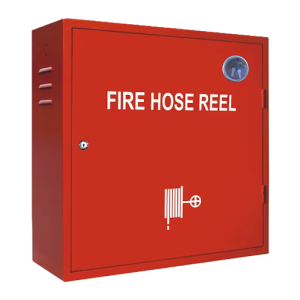
Selecting a fire hydrant system is not a matter of consumer choice but of regulatory necessity. The specific system required for a building depends on its design, height, and use. The most common type found in HDB corridors is the hose reel system, housed in a red cabinet with glass or a breakable plastic front. This system consists of a valve, a water outlet, and a hose reel with a nozzle.
The equipment itself must carry the SCDF’s approval marks, confirming it has passed rigorous tests for performance and reliability. Building managers and owners must ensure that any replacement parts or entire systems are sourced from suppliers who provide SCDF-compliant products. The selection process is therefore less about comparison shopping and more about verifying compliance and ensuring compatibility with the building’s existing water supply and infrastructure.
| Feature | Description | Purpose & Consideration |
|---|---|---|
| Type | Hose Reel System (Common in HDBs) | Provides a continuous water supply for building occupants to fight growing fires. Required by SCDF based on building specifications. |
| Water Supply | Dedicated, pressurized water tank | Must provide sufficient water pressure and volume to meet SCDF regulations for effective firefighting. |
| Cabinet | Red, wall-mounted cabinet with breakable front (glass/plastic) | Ensures high visibility and immediate access in an emergency while protecting equipment from damage or tampering. |
| Components | Valve, water outlet, hose reel, nozzle | All components must carry SCDF approval marks and be maintained in a state of operational readiness. |
| Regulation | Governed by SCDF Fire Code | Mandates installation height, location, maintenance schedules, and requires work by licensed installers. |
Optimal Positioning and Placement Best Practices
The effectiveness of a wall mounted fire hydrant is directly tied to its location. SCDF regulations provide explicit guidelines on placement to ensure immediate accessibility and operational efficiency. Hydrants must be installed in conspicuous positions, typically along escape routes like common corridors, lobbies, and stairwells, where they are visible and easily reached in an emergency, even in low-visibility conditions caused by smoke.
The installation height is precisely specified to be within a certain range above the finished floor level, ensuring the valve is easily operable by most adults. Furthermore, a specific clearance area must be maintained around the hydrant cabinet at all times. This means the space in front of and around the cabinet cannot be obstructed by any objects, furniture, or stored items. This rule is frequently violated in HDB corridors, where residents might place shoe racks or plants, inadvertently blocking access to a lifesaving device. The placement must also consider the hose’s reach, ensuring it can effectively cover the intended area it is meant to protect.
A Step-by-Step Overview of Professional Installation
The installation of a fire hydrant is a complex task that integrates plumbing, construction, and regulatory compliance. It must always be performed by a contractor licensed by the SCDF. The process generally follows these steps:
| Step | Details |
|---|---|
| Step 1: System Design and SCDF Approval | The licensed contractor prepares installation plans based on the building’s layout and SCDF requirements. These plans must be submitted to the SCDF for approval before any work begins. |
| Step 2: Water Supply Connection | The installer connects the system’s piping to the building’s dedicated fire-fighting water supply, which is typically a pressurized tank. This requires expert plumbing to ensure no leaks and to maintain water pressure. |
| Step 3: Wall Mounting and Reinforcement | The heavy cabinet and internal mechanism require mounting onto a solid structural wall, often concrete. The installer must ensure the wall can support the significant weight and may need to reinforce the mounting area. |
| Step 4: Pipework and Valve Installation | The contractor runs the necessary pipes from the water supply to the hydrant location, installing the main control valve and the hose reel outlet within the cabinet. |
| Step 5: Pressure and Flow Testing | After installation, the entire system undergoes rigorous pressure and flow tests to verify that it delivers water at the correct pressure and volume as required by the SCDF code. |
| Step 6: Final SCDF Inspection and Certification | Once testing is complete, the SCDF conducts a final inspection. Upon passing, the system is certified as operational and compliant. |
Need a fully compliant hose reel system installation or maintenance check? FixFirst’s licensed technicians follow SCDF Fire Code and HDB guidelines to ensure your fire safety systems are safe, legal, and ready when needed

Frequently Asked Questions (FAQs) about Wall Mounted Fire Hydrant Singapore Installation
Absolutely not. Only an SCDF-licensed contractor can legally install, alter, or repair a fire hydrant system. DIY work is illegal and extremely dangerous, as it can compromise the entire building’s fire safety system.
The Town Council is typically responsible for the maintenance, testing, and inspection of fire hydrant systems in HDB common areas.
SCDF regulations require annual testing and inspection by a licensed contractor to ensure operational readiness.
You should immediately report it to your building management or Town Council. Do not attempt to fix it yourself.
It often comes from a dedicated storage tank, but the water itself is the same. However, the system is pressurized specifically for firefighting.
A fire extinguisher contains a limited amount of suppressant (e.g., foam, CO2) for small fires. A fire hydrant provides a continuous flow of water from the building’s supply for larger fires.
Any obstruction can cause critical delays in accessing the equipment during an emergency, where every second counts.
Tampering is a serious offence under the Fire Safety Act. It can lead to heavy fines and imprisonment, not to mention endangering lives.
No. The red colour is mandatory for high visibility. Altering its appearance can reduce its visibility in an emergency and may violate SCDF regulations.
Water is not effective for Class B (flammable liquids like petrol) or Class C (electrical) fires. However, in residential settings, their primary purpose is for Class A fires (common combustibles like wood, paper, fabric).