In the dense urban environment of Singapore, a dependable air conditioner transforms from a convenience into a core component of home comfort. For HDB dwellers, the choice of a wall-mounted unit carries particular weight, balancing performance with spatial and regulatory constraints. Toshiba, a name synonymous with enduring reliability and technological consistency, offers a compelling range of air conditioners for this precise application. However, the promise of quiet efficiency and lasting performance hinges on decisions made long before the first gust of cool air. These include decisions about aircon placement, installation, and ongoing care. This article serves as an essential handbook for HDB homeowners considering or maintaining a Toshiba wall-mounted system.
What’s in this article:
- Toshiba’s Approach to Cooling in a Tropical Climate
- Interpreting HDB Regulations for Aircon Installation
- Strategic Positioning for Enhanced Efficiency and Durability
- Compliant Toshiba Installation Steps
- Understanding Toshiba Error Codes and Troubleshooting Actions
- The FixFirst Advantage for Your Toshiba Aircon Installation
- Frequently Asked Questions (FAQs) about Toshiba Air Conditioners in Singapore
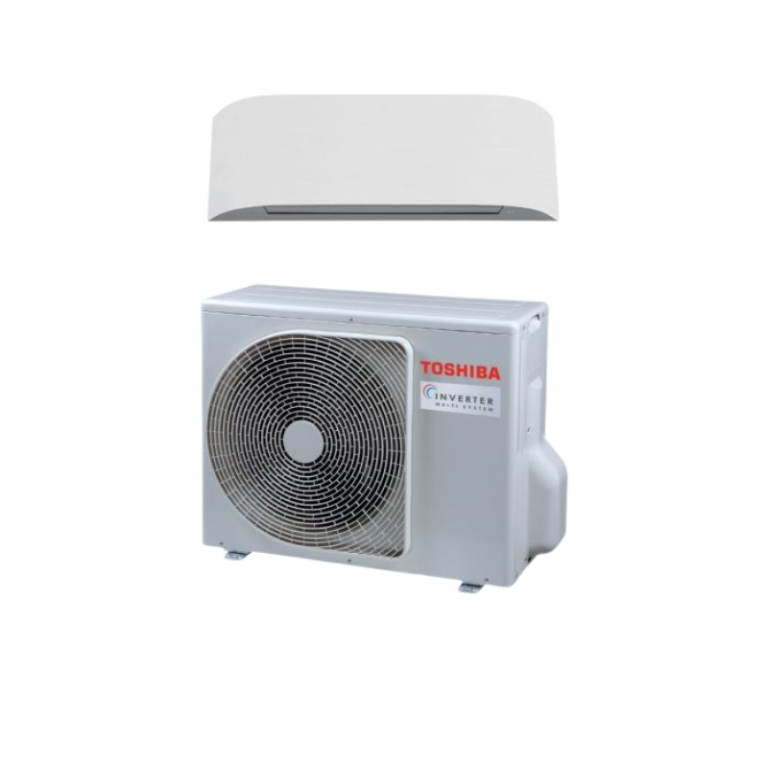
Toshiba’s philosophy in air conditioning marries steadfast engineering with thoughtful features suited to Southeast Asia’s demands. Their wall-mounted units often incorporate inverter-driven compressors that adjust their output with fine-grained control, avoiding the jarring cycles and temperature swings common in older models. This method translates directly to lower electricity consumption, a priority for households managing monthly utilities. Furthermore, many Toshiba models integrate dedicated dehumidification modes and anti-bacterial filters, confronting Singapore’s high humidity head-on to improve air quality and prevent the musty odors that plague poorly maintained systems. The brand’s focus on producing units with low operational sound levels makes them particularly suitable for bedrooms and study areas in compact HDB flats.
The journey to a cool home begins not with a purchase order, but with an understanding of HDB’s framework for installation. These regulations exist to preserve building safety, structural integrity, and communal harmony. A cardinal rule involves the placement of the outdoor condenser unit. HDB mandates installation only on reinforced concrete structural beams or the designated precast ledges provided. Mounting on parapet walls, decorative ledges, or lightweight structures presents a severe safety risk and violates guidelines. Authorities also enforce a minimum clearance of 1.2 metres between adjacent condensers to ensure neither unit draws in exhaust heat from the other, which would cripple efficiency. The path for copper pipes and drainage hoses, typically through existing wall sleeves, must avoid cluttering common corridors or interfering with neighbouring units. Professional installers treat these rules not as suggestions, but as the fundamental blueprint for their work.
Optimal placement of your Toshiba aircon’s components is a science that pays dividends in lower bills and fewer repairs. The indoor unit should occupy a section of wall that allows for unimpeded air circulation across the room. Installers avoid positions directly above wardrobes or televisions, as restricted airflow can cause icing on the coils. The direction of the air louvers should be set to avoid direct, prolonged blasts onto seating or beds. For the outdoor condenser, placement dictates system longevity. A shaded, well-ventilated spot on the reinforced beam is ideal. Technicians will advise against areas exposed to the afternoon sun or enclosed by walls, as ambient heat buildup forces the compressor to labour excessively, escalating wear and energy use.
A Toshiba air conditioner demands an installation process executed with exacting standards. Here is how certified professionals approach the task:
| Step | Details |
|---|---|
| Step 1: Initial Survey and HDB Compliance Verification | The technician inspects the proposed locations, confirms the structural beam is fit for mounting, measures the piping run, and checks for existing wall sleeves or plans the drilling path in accordance with HDB allowances. |
| Step 2: Securing the Indoor Unit Bracket | Using a level, the mounting bracket is affixed perfectly horizontal to the wall. Even a minor tilt can disrupt condensate flow, leading to water dripping inside the room. |
| Step 3: Wall Drilling and Pipework Installation | A core drill creates a clean hole with a slight outward slope for drainage. Copper refrigerant pipes are cut, deburred, and flared with precision tools, then wrapped in high-grade insulation to maintain thermal efficiency and prevent condensation. |
| Step 4: Mounting the Outdoor Condenser | The condenser is secured onto a galvanised steel bracket or frame on the concrete beam. Technicians install anti-vibration pads beneath the unit to absorb operational sound and prevent transmission through the building. |
| Step 5: Electrical Connection and System Evacuation | A dedicated electrical line from the mains DB box is connected. The refrigerant circuit is then linked and subjected to a deep vacuum process for a minimum duration to extract all moisture and air, which protects the sensitive compressor. |
| Step 6: Leak Testing, Gas Charging, and Commissioning | The system is pressurised and checked for leaks. Refrigerant is charged according to Toshiba’s exact specifications, not estimated length. The unit is then activated, tested across modes, and its drainage system verified. |
Need a new Toshiba aircon installed in your HDB flat? FixFirst ensures full HDB compliance, precise installation, and warranty-safe procedures. From correct pipe flaring to deep vacuum evacuation, we do it right—so you enjoy quiet, efficient cooling for years to come.
Summary of Essential Insights
| Aspect | Critical Guidance for HDB Residents |
|---|---|
| HDB Compliance | Outdoor units must mount on reinforced concrete structures only. Maintain a 1.2m clearance from neighbouring condensers. |
| Installation Quality | Precision in levelling, vacuuming, and refrigerant charging is non-negotiable for achieving advertised efficiency and lifespan. |
| Optimal Positioning | Ensure free airflow for indoor units; place outdoor units in shaded, unenclosed spaces to prevent compressor overload. |
| Routine Maintenance | Schedule professional chemical washing annually and clean filters monthly to sustain cooling power and air quality. |
| Error Code Response | Note the code, perform basic checks (power, filters, blockages), then engage a qualified technician for diagnosis and repair. |
| Service Partner Selection | Choose technicians with proven HDB experience, manufacturer-specific knowledge, and comprehensive service warranties. |
When a fault arises, Toshiba units communicate through error codes on the remote or indoor unit display. Recognising these codes aids in initial diagnosis.
Error Code E0/E1: This signals a communication fault between the indoor and outdoor unit PCBs. Check if the error appears after a power outage; a full system reset by disconnecting power for 10 minutes may resolve it. Persistent E0/E1 often points to wiring issues or PCB failure.
Error Code E3/E4: These indicate high pressure (E3) or low pressure (E4) in the refrigerant circuit. E3 commonly arises from a dirty outdoor condenser coil, blocked airflow, or a faulty outdoor fan. E4 may suggest a refrigerant leak, a clogged expansion valve, or an indoor fan fault.
Error Code E5/E6: An overload or overcurrent protection error. This can occur if the compressor faces excessive strain from poor heat exchange, a voltage issue, or a failing component. Ensure the outdoor unit is clean and unobstructed.
Error Code E7: This points to an abnormality with the outdoor fan motor or its circuit. The fan may be stuck, damaged, or have a wiring disconnect.
Error Code P1/P2: These often relate to indoor fan motor issues or malfunctions with the swing louvers. A physical obstruction in the blower wheel or louver mechanism can trigger this code.
Error Code F3/F4: Temperature sensor errors (F3 for evaporator coil, F4 for condenser coil). The sensor may be dislodged, dirty, or have failed, sending incorrect readings to the control system.
📌Critical Note: Homeowners can safely address basic checks like cleaning filters, ensuring both indoor and outdoor units are free from blockage, and performing a power reset. Any intervention involving the refrigerant circuit, electrical components, or internal disassembly must remain the domain of a licensed technician to preserve warranty and safety.
The FixFirst Advantage for Your Toshiba Aircon Installation
Choosing an installation partner defines your aircon’s future performance and reliability. FixFirst builds its service around principles that align perfectly with Toshiba’s engineering standards and HDB’s regulatory environment.
✔️HDB-Centric Installation Expertise: Our technicians possess current, detailed knowledge of HDB’s installation guidelines. We guarantee a compliant setup that satisfies all structural and safety requirements, protecting you from potential penalties.
✔️Precision Installation Protocols: We adhere strictly to Toshiba’s installation manuals, employing proper tools for flaring, torque wrenches for connections, and rigorous vacuum procedures. This protects the manufacturer’s warranty and ensures the unit delivers its rated efficiency.
✔️Integrated Technical Proficiency: Our team is skilled in aircon installation, electrical work, and plumbing. This holistic skill set allows us to manage the entire installation ecosystem from securing a proper power supply to creating an effective, leak-free drainage path.
✔️Clear Value and Accountability: We provide detailed, upfront quotations. We also take full ownership of the installation’s quality.
✔️Respect for Your Home: We execute installations with meticulous care for your property, ensuring cleanliness, minimal disruption, and a final result that looks professionally integrated into your living space.

Inverter technology allows the compressor to run at variable speeds, maintaining a set temperature without constant shutdowns and restarts. This reduces power consumption significantly, lowers noise levels, and provides more stable comfort.
Given our climate, a professional chemical overhaul is advisable every 9 to 12 months. The washable filters should be cleaned every 4 to 6 weeks to maintain airflow and hygiene.
No. HDB strictly prohibits mounting condenser units on steel gratings, window ledges, or improvised platforms. Installation is permitted only on designated reinforced concrete beams or ledges.
Common causes include a dirty air filter, clogged outdoor condenser coils, low refrigerant levels due to a leak, or a failing compressor. Start with filter cleaning; if the issue persists, professional diagnosis is needed.
Toshiba designs its wall-mounted models for quiet operation. Indoor sound levels can be as low as 20 dB(A). Perceived noise often stems from incorrect installation, such as inadequate vibration damping or an unbalanced fan.
A typical HDB living room (20-25 sqm) generally requires 18,000 to 24,000 BTU/h. Factors like ceiling height, window size, and sun exposure affect this. A professional load calculation is the most accurate method.
Toshiba provides a manufacturer’s warranty on the compressor and components, typically for 1 to 5 years depending on the model. Labour coverage depends on the installing company’s policy. FixFirst provides its own workmanship warranty.
For a straightforward HDB installation with existing piping sleeves, the process can take 3 to 5 hours. New installations requiring drilling and full pipe runs may take a full working day.
It is not recommended. Direct, constant airflow onto sleepers can cause discomfort and health issues. A better position is on a wall adjacent to the bed, directing air across the room for even circulation.
Dry Mode prioritises dehumidification over cooling. The unit runs at a lower speed to remove moisture from the air, making the room feel less clammy without excessive cooling—ideal for Singapore’s rainy seasons.
Selecting a Toshiba wall-mounted air conditioner is a wise commitment to quality and comfort in your HDB home. Yet, the unit’s inherent engineering excellence can only be fully expressed through an aircon installation that respects both the manufacturer’s specifications and the unique regulatory fabric of Singapore’s public housing. From the initial compliance check to the final calibration, each step in the process contributes to a system that operates quietly, efficiently, and reliably for years to come.
Protect your investment and experience the true potential of your Toshiba aircon. Contact FixFirst today over Whatsapp for a quote. Let our licensed and HDB-savvy technicians deliver a perfect installation, backed by our commitment to your long-term satisfaction.