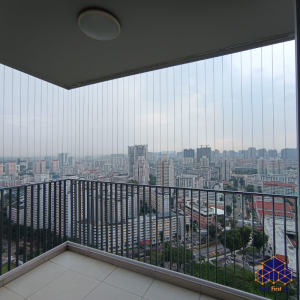
The walls of Singaporean homes are speaking a new language in 2026. Homeowners are moving beyond the safe simplicity of basic white, embracing interior and exterior wall colour as a tool for well-being, personal expression, and clever spatial design. This shift responds directly to the way we live today—seeking calm in dense urban environments, maximising every square foot of our HDB flats and condos, and demanding durability in our tropical climate.
This year’s palettes are about creating homes that feel both personal and practical. Here is how the latest colour trends translate for Singaporean interiors and why professional execution makes all the difference.

The New Neutrals
For years, stark white served as the default backdrop for Singapore homes, prized for its ability to reflect light and suggest space. However, under our intense tropical sun, pure white often reads as clinical or glaring. In 2026, the shift is toward warm neutrals that offer sophistication without sacrificing openness.
These are not your standard magnolia or beige. Think “greige”—a balanced blend of grey and beige—that provides a versatile foundation for both modern and traditional furnishings. Warm stone colours, such as soft taupe and limestone, add a layer of quiet luxury while pairing beautifully with the light oak and walnut wood grains popular in contemporary design.
The key advantage of these new neutrals is their adaptability. They shift with the light throughout the day, appearing softly golden in the morning and maintaining a cosy glow under evening LED lighting. For open-plan layouts common in condos and larger HDB flats, these tones create a seamless flow between living, dining, and kitchen areas without the jarring contrast that cooler whites can produce.
Biophilic Hues
Singapore’s identity as a “City in Nature” finds its way indoors through biophilic colour palettes. In 2026, homeowners are requesting greens and blues that mimic the lush surroundings and coastal waters of the island.
The interpretation of green has also evolved. Rather than bright, artificial shades, the trend points to muted forest greens, sage, and smoky jade, all of which are colours with grey undertones that feel organic and restful. These shades lower visual noise, making them excellent choices for bedrooms and home offices where calm and focus are priorities.
For bathrooms and living areas, soft aquas and lagoon blues are gaining traction. These hues evoke a sense of coolness and fluidity, offering a psychological counterpoint to the external heat and humidity. When paired with natural textures like rattan, wood, and stone, biophilic colours transform a standard room into a personal retreat.
Earthy Tones and Tactile Finishes
The desire for connection extends to colours that feel grounded and handcrafted. Terracotta, warm clay, and chalky ochre are emerging as popular choices for feature walls and dining areas. These earthy tones inject warmth and a sense of permanence, anchoring a space in an age of digital impermanence.
What makes these colours particularly effective in the 2026 context is their dynamic with textured wall finishes. Limewash and clay paint effects create a mottled, weathered appearance with incredible depth. These finishes catch light differently throughout the day, adding a living quality to walls that flat paint cannot replicate. For homeowners seeking character without clutter, these tactile surfaces provide the answer.
Smart Accents
The accent wall continues to evolve. It is no longer simply a bold contrast but a strategic design element that defines zones and adds intimacy. In open-plan layouts, a deep charcoal or emerald wall can visually separate the living area from the dining space without physical barriers.
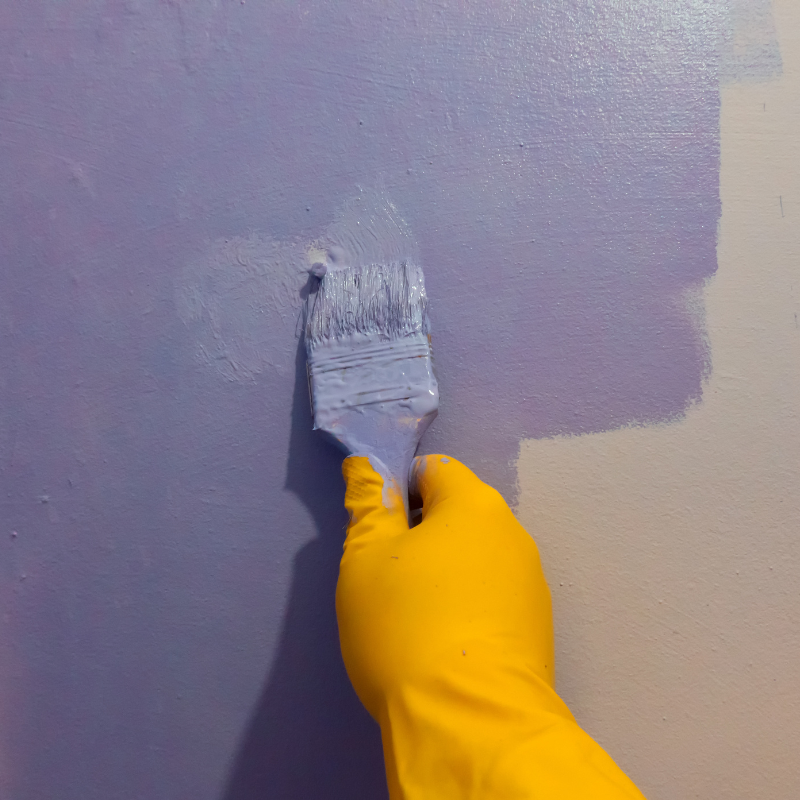
For those hesitant about committing to dark colours, colour blocking offers a middle ground. This technique uses two or more complementary shades on a single wall to create geometric interest. A soft beige paired with a darker greige, for example, can add architectural interest to a plain wall while maintaining a cohesive overall palette.
Deep, moody shades also work surprisingly well in smaller spaces when applied thoughtfully. A navy or forest green accent wall can create an illusion of depth, making a room feel more expansive rather than closed in. The key lies in balancing these deeper tones with lighter furnishings and ample lighting.
Finishes That Perform
In Singapore’s climate, paint must do more than look good. The finish you choose directly affects both appearance and longevity. Satin and eggshell finishes are experiencing a resurgence in 2026, offering a subtle luminosity that matte paints cannot provide. These sheens reflect light gently, contributing to a brighter feel in smaller rooms, while their smoother surface makes cleaning far easier, a practical advantage in high-traffic areas and homes with children.
Performance features have become standard expectations. Advanced mould and mildew resistance is non-negotiable for bathrooms, kitchens, and any wall exposed to humidity . Low-VOC formulations are now the preferred choice for health-conscious families, ensuring that the air quality inside remains safe during and after application . These paints reduce odour and off-gassing, allowing homeowners to occupy their spaces sooner with peace of mind.
Making Colour Work for Small Spaces
Singapore’s compact living spaces demand smart colour strategies. Light colours remain essential for reflecting natural light and creating an airy feel, but 2026 brings fresh approaches to maximising space visually.
Monochromatic drenching, or painting walls, ceilings, and built-in cabinetry in the same shade, eliminates visual breaks and makes rooms appear larger. This technique works exceptionally well with the new neutrals, creating a seamless backdrop that lets furniture and textures take centre stage.
For rooms with lower ceilings, consider painting the ceiling a shade lighter than the walls to draw the eye upward. Vertical contrasts, such as a slightly darker tone on the lower half of the wall, can also create the illusion of height. These subtle interventions make a difference in how spacious a room feels.
The Professional Difference: Execution Matters
A beautiful colour palette achieves its full potential only through meticulous preparation and application. Singapore’s humidity presents challenges that professional painters are equipped to address. Underlying dampness or efflorescence must be treated before new paint can adhere properly. Surface preparation, including sanding, filling cracks, and applying appropriate primers, ensures that the final result looks flawless and lasts for years.
Precision in cutting-in, where walls meet ceilings, skirting, and window frames, separates a professional finish from a DIY effort. These crisp lines define the space and contribute to a polished, magazine-worthy appearance. Professional painters also manage the logistics of furniture moving, protective coverings, and ventilation, minimising disruption to your household.
Bringing 2026 Trends to Your Home
The 2026 colour forecast offers Singapore homeowners an opportunity to shape their environments in meaningful ways. Whether you choose the calming embrace of sage green, the sophisticated warmth of greige, or the bold statement of a deep accent wall, your colour choices influence mood, perception of space, and daily comfort.
Translating these trends into a stunning reality requires more than picking a shade from a card. It demands an understanding of how colours interact with our specific light conditions, how finishes perform in our climate, and how preparation ensures longevity. This is where skilled professionals add value beyond the paint itself.
Refresh your space with the colours of 2026. The team at FixFirst brings years of experience to every project, from surface preparation to the final coat. We understand how to make these trends work in Singaporean homes, ensuring a beautiful, durable finish that transforms your HDB or condo. Contact FixFirst today over Whatsapp for a consultation and quote.