Singapore’s tropical climate delivers abundant sunlight year-round, making solar panel installation Singapore one of the most practical renewable energy solutions for homeowners. With rising electricity costs and growing environmental awareness, more HDB dwellers and private homeowners are turning to solar power to reduce bills and carbon footprints. The government actively encourages adoption through incentives like the SolarNova programme and grants, further improving affordability.
Unlike countries with seasonal variations, Singapore’s consistent sunshine allows solar panels to operate at near-optimal efficiency throughout the year. When installed correctly, a well-sized residential solar system can offset 30-60% of a household’s electricity consumption, delivering returns on investment within 5-8 years.

Types of Solar Panels Suitable for Singapore Homes
Not all solar panels perform equally under Singapore’s unique conditions. The three main technologies available include:
Monocrystalline Solar Panels
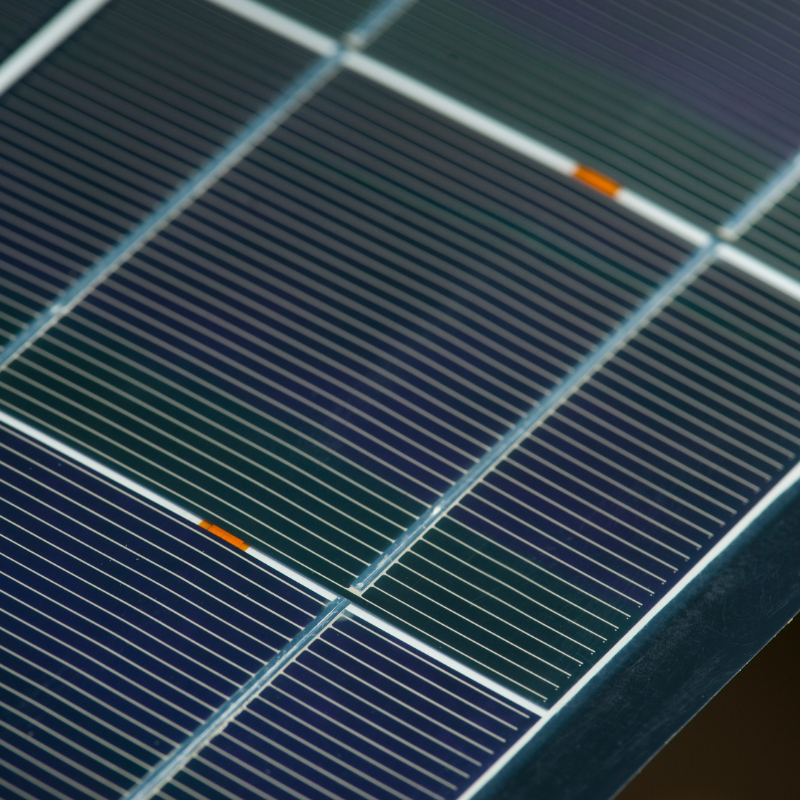
Recognizable by their uniform dark appearance, monocrystalline panels offer the highest efficiency (18-22%) in converting sunlight to electricity. Their compact design suits space-constrained HDB rooftops, delivering more power per square meter. Though slightly more expensive, their long lifespan (25+ years) and better heat tolerance justify the initial cost for many homeowners.
Polycrystalline Solar Panels
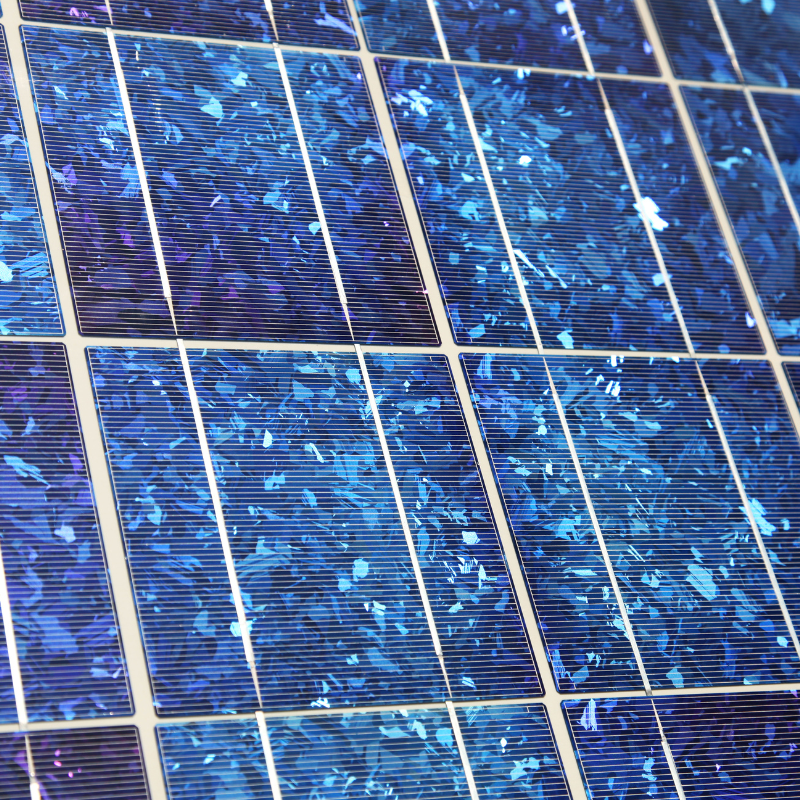
With a distinctive blue hue and speckled texture, polycrystalline panels provide a more budget-friendly option at 15-17% efficiency. While slightly less efficient than monocrystalline variants, they perform adequately for larger landed properties where roof space isn’t a constraint. Modern versions have narrowed the performance gap, making them a viable choice for cost-conscious buyers.
Thin-Film Solar Panels
Flexible and lightweight, thin-film panels work well for unconventional surfaces like curved roofs or shaded areas. However, their lower efficiency (10-13%) and shorter lifespan make them less common for residential installations unless space limitations demand unconventional solutions.

Key Considerations Before Installing Solar Panels
Roof Suitability and Structural Integrity
HDB flats and private homes must undergo professional assessments to determine if their roofs can support solar panels. Key factors include:
- Roof Material: Concrete and metal roofs work best, while asbestos or aged tiles may require reinforcement.
- Orientation: North-facing roofs receive the most sunlight in Singapore, though east-west orientations can still work with proper angling.
- Shading: Nearby buildings or trees that cast shadows significantly reduce panel efficiency.
Electrical Load and Consumption Patterns
A detailed energy audit helps determine the ideal system size. Singaporean homes can install 3kW to 10kW systems, depending on:
- Monthly electricity usage (check your SP Group bills for historical data)
- Available roof space
- Budget constraints
Grid Connectivity and HDB Regulations
Singapore’s grid-tied solar systems require approval from the Energy Market Authority (EMA) and HDB (for public housing). Licensed installers handle the paperwork, ensuring compliance with:
- Technical guidelines for inverters and cabling
- Safety standards for fire and electrical wiring
- Net metering policies that credit excess solar energy back to the grid
Step-by-Step Solar Panel Installation Process
| Step | Details |
|---|---|
| 1. Site Assessment and System Design | Engineers inspect the roof, measure dimensions, and analyze shading patterns using solar pathfinders. They then draft a customised layout optimising panel placement for maximum sun exposure. |
| 2. Obtaining Permits and Approvals | The installer submits plans to relevant authorities (EMA, HDB, or BCA) and secures necessary permits, a process typically taking 2-4 weeks. |
| 3. Roof Preparation and Mounting | Installers reinforce the roof structure if needed, then attach aluminium rails as the foundation for panels. Waterproofing measures prevent leaks, crucial in Singapore’s heavy rains. |
| 4. Panel and Inverter Installation | Solar modules get securely mounted on the racks, then wired to inverters that convert DC electricity to AC for home use. Microinverters or power optimisers may be added for better shade management. |
| 5. Electrical Wiring and Grid Connection | Certified electricians connect the system to the main electrical panel and install bi-directional meters for net metering. Final inspections ensure compliance with Singapore’s electrical safety codes. |
| 6. Testing and Commissioning | The system undergoes performance checks, including voltage tests and efficiency monitoring, before being activated. Homeowners receive tutorials on monitoring energy production via smartphone apps. |
For a safe, HDB-compliant, and high-efficiency solar panel installation in Singapore, trust FixFirst’s certified engineers. We handle permits, roof safety, and grid connection with precision.
Best Practices for Optimal Solar Panel Performance
Optimal Tilt and Positioning
Singapore’s equatorial location means panels perform best at 10-15° tilt angles, allowing self-cleaning during rain while maximising sun exposure. Avoid flat installations, which reduce efficiency by 5-10%.
Regular Maintenance Requirements
Though solar panels need minimal upkeep, quarterly cleaning removes dust and bird droppings that accumulate in urban environments. Professional inspections every 2-3 years check for loose wiring or corrosion, inverter functionality, and PID (Potential Induced Degradation) in older systems.
Battery Storage: Is It Worth It?
Most grid-tied systems don’t require batteries, but homeowners seeking energy independence can add lithium-ion storage. While costly, batteries provide backup during rare instances of power outages in Singapore and store excess solar power for night use.
Common Challenges in Singapore Solar Installations
High Humidity and Heat
Singapore’s climate accelerates wear on components. Quality panels with robust frames and anti-reflective coatings withstand these conditions better.
Space Constraints in HDBs
Limited roof area means careful planning is essential. Some homeowners install panels on window pergolas or carports to expand capacity.
Interference from Neighboring Buildings
Tall adjacent structures may cause shading issues, requiring optimisers or strategic panel placement to minimise production losses.
Buying Tips for Solar Panels in Singapore
Choosing a Reputable Installer
Look for:
- EMA-licensed contractors
- Proven track record with HDB projects
- Transparent warranty terms (minimum 10 years on panels, 5 on inverters)
Understanding Pricing and Financing
System costs typically range from $10,000 to $30,000, depending on size and panel type. Financing options include:
- Bank loans with green energy incentives
- Solar leasing arrangements
- CPF OA withdrawals for private properties
Evaluating Return on Investment
A 5kW system costing $18,000 may save $1,800 yearly on electricity bills, paying for itself in ~10 years. Government incentives, however, can help shorten this period.

Frequently Asked Questions (FAQs) about Solar Panel Installation Singapore
Yes, but only certain flat types (e.g., executive apartments) have suitable roofs. Approval requires HDB and Town Council consent.
Quality panels degrade by only 0.5% yearly, maintaining ~80% efficiency after 25 years.
They operate at 10-25% capacity under heavy clouds, still generating some power.
Grid-tied systems shut off automatically for safety unless battery backup exists.
No, Singapore law requires licensed professionals for electrical work and grid connections.
Each kW requires ~6-8 sqm. A 5kW system needs ~30-40 sqm of unshaded roof area.
Yes, the SolarNova programme offers subsidies for HDB installations.
An industrial wall mount fan Singapore model is overkill for most homes but great for garages or large spaces.
Studies show homes with solar sell faster and at 3-5% premiums.
Most systems include apps showing real-time generation and savings.
Occasional cleaning and annual electrical checks suffice.
Investing in solar panel installation Singapore offers both financial savings and environmental benefits, making it a smart choice for forward-thinking homeowners. With proper planning and professional installation, your solar system will deliver clean energy for decades.