The idea of repainting a room excites you. Fresh colours, renewed energy, a space that feels completely yours again. Then reality sets in. You imagine furniture piled in the centre, plastic sheets everywhere, dust settling on every surface, and the smell of paint lingering for days. Many homeowners postpone painting projects simply because they dread the disruption.
Here is the truth: repainting a room does not require you to live in chaos. With the right approach, you can transform your space while maintaining your sanity and your daily routine. This guide walks you through the process step by step, showing you how to prepare, protect, and plan for minimal disruption.

Choose the Right Time
Timing shapes your entire painting experience. In Singapore’s climate, the dry season between February and September offers ideal conditions. Lower humidity means paint dries faster and adheres better. You spend less time waiting between coats and more time enjoying your refreshed space.
Consider your personal schedule as well. Painting projects work best when you can dedicate a few days to the process without rushing. Long weekends or taking a day off gives you breathing room. You avoid the stress of squeezing work into evenings after a full day at the office.
For families with young children, timing matters even more. Paint fumes and disruption affect little ones most. Plan around school holidays or arrange for children to spend time with grandparents during the messiest phases. This consideration makes the experience smoother for everyone.
Prepare the Room Properly
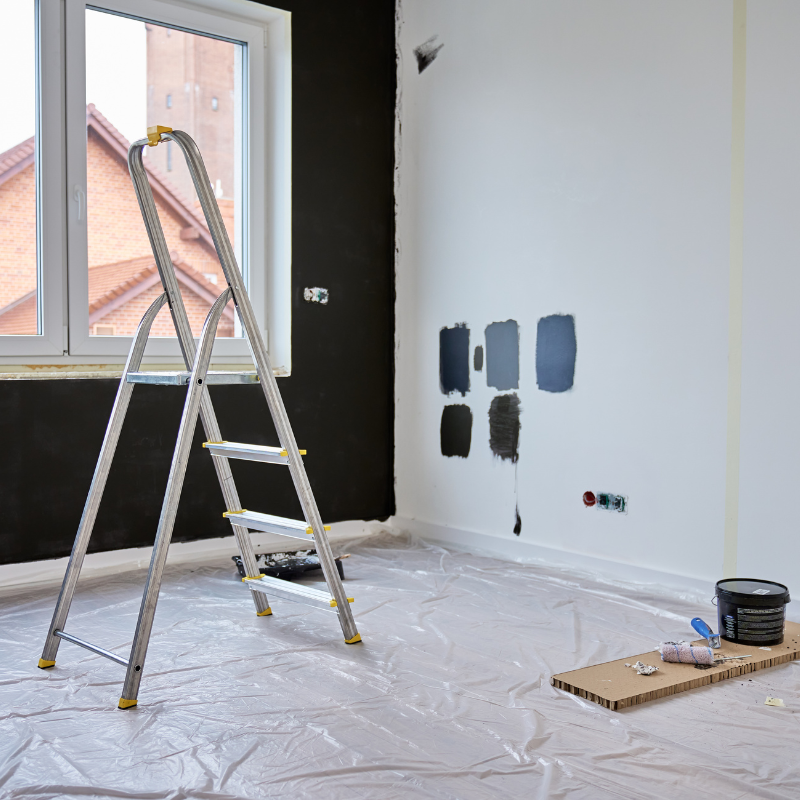
Preparation separates a controlled project from a chaotic one. Start by removing everything you can from the room. Small items, decor, curtains, and loose furniture should find temporary homes elsewhere. The fewer objects in the space, the easier your job becomes.
For larger pieces that must stay, group them in the centre of the room. This creates a clear workspace around the perimeter where you will do most of the painting. Cover these items completely with quality plastic sheeting, not old bedsheets. Paint soaks through fabric, leaving you with stained furniture and more cleaning work.
Remove all switch plates, outlet covers, and light fixtures. Place the screws in a small bag and tape it to one of the plates so you do not lose them. This simple step gives you clean edges around these fixtures and saves you from cutting in around them later.
Lay drop cloths over every inch of floor space. Even experienced painters drip occasionally. Professional-grade canvas drop cloths cost more than plastic but offer better protection. They stay in place, absorb minor spills, and provide a non-slip surface to walk on.
Protect What Matters
Beyond covering furniture, take specific steps to protect items you cannot move. Built-in wardrobes, kitchen cabinets, and permanent fixtures need careful masking. Use quality painter’s tape designed for clean removal. Cheap tape leaves residue or pulls off existing paint when you remove it.
Pay special attention to air conditioning units. In Singapore homes, wall-mounted units sit prominently in bedrooms and living areas. Dust and paint particles can damage internal components. Professional painters cover units completely and ensure no particles enter the ventilation system.
Electronics require particular care. Televisions, computers, and entertainment systems attract dust like magnets. If you cannot remove them, seal them completely with plastic and tape the edges securely. The few minutes this takes saves hours of cleaning delicate equipment later.
Manage the Painting Process
Work systematically to maintain order throughout the project. Start with ceiling repairs and painting if your room includes this step. Work your way down from ceiling to walls to trim. This natural progression catches drips and allows you to address each surface without backtracking.
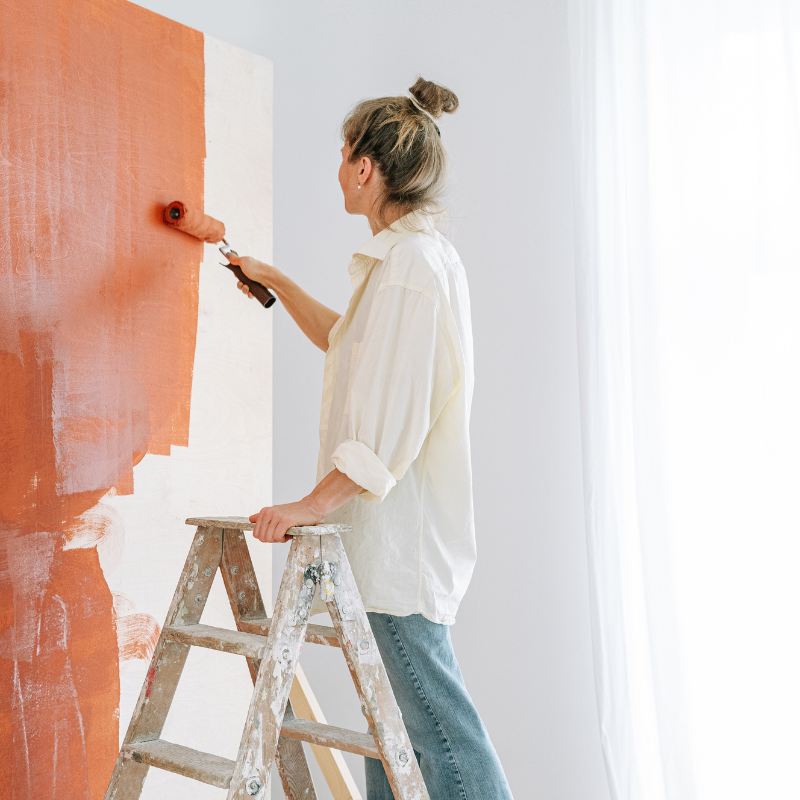
Paint one wall at a time rather than jumping around the room. This approach keeps you organised and ensures you maintain a wet edge for consistent colour. When you finish one wall, move to the next, keeping a logical flow around the space.
Between coats, clean your tools properly. Brushes and rollers left sitting dry out quickly in our climate. Wrap them tightly in plastic wrap or place them in sealed bags if you plan to use them again soon. For longer breaks, wash them thoroughly so they stay soft and effective. Then allow adequate drying time between coats. Singapore’s humidity means paint takes longer to cure than in drier climates. Follow the manufacturer’s recommendations rather than rushing. Touching tacky paint creates marks that require sanding and repainting to fix.
Handle the Aftermath
The final coat dries, and you feel the satisfaction of a job well done. Do not rush to put everything back immediately. Paint continues releasing fumes for days after it feels dry. Keep windows open and ventilation running to clear the air completely.
Remove tape carefully when the paint feels dry to the touch but before it fully hardens. Pull the tape back at a 45-degree angle for the cleanest line. If paint seeps under the tape, a craft knife helps you cut along the edge before removal.
Clean your tools immediately or dispose of them properly. Brushes and rollers left with dried paint become useless. If you plan to paint again soon, store them wrapped in their original packaging or in sealed plastic bags.
Return furniture gradually. Start with larger pieces that define the space, then add smaller items. This approach lets you see the room come together and adjust placement as you go. Take time to arrange things thoughtfully rather than rushing to restore the old layout.
Why Professional Help Changes Everything
You can manage a painting project yourself with careful planning. But professional painters bring experience that transforms the experience entirely. They arrive with all the right equipment, from commercial-grade drop cloths to industrial ladders and sprayers for large areas.
They also handle the parts of the job you might not consider. Moving furniture safely, protecting delicate items, cleaning thoroughly after completion. When professionals finish, you walk into a fresh room with nothing out of place. No plastic sheets to fold, no tape to scrape off windows, no paint splatters to discover weeks later.
A Fresh Start Without the Stress
Your home should feel like a sanctuary, not a construction site. Repainting a room offers the chance to refresh your environment and lift your spirits. With proper planning, you can achieve this transformation without turning your life upside down. The key lies in preparation, patience, and knowing when to call experts. Take time to set up correctly, protect your belongings, and work systematically through each phase.
Refresh your home without the stress. The team at FixFirst handles every detail of your painting project, from furniture protection to final cleanup. We bring years of experience and a commitment to quality that shows in every room we paint. Contact FixFirst today for a consultation and quotation.