Renovation generates a fine powder that standard cleaning cannot see or reach. Cement dust, gypsum particles, and sanded wood fibers become airborne during hacking, drilling, and plastering. These particles measure less than 10 microns, small enough to stay suspended for days. They drift into every corner of the flat, including the tops of kitchen cabinets, the inside of light fixtures, and the gaps behind built-in wardrobes. A standard wipe-down addresses flat surfaces but ignores the vertical and hidden planes where the bulk of the dust settles.
The problem compounds in HDB flats where space is tight and ventilation is limited. Windows remain closed during renovation to contain the mess, but this traps the dust indoors. The particles then settle layer upon layer. By the time the renovation ends, every surface carries a film of abrasive silica and alkaline cement residue. This is not ordinary household dust; it is a chemically active mixture that etches surfaces and irritates lungs.

Why Standard Mopping Spreads the Problem
A common mistake after renovation involves a mop and a bucket of water. The homeowner or a general cleaner wets the floor and pushes the slurry around. This does not remove the fine dust; it suspends it in water and spreads it into grout lines and floor gaps. As the water evaporates, the dust re-deposits as a white haze. The mop itself becomes loaded with cement particles that scratch the new flooring. Laminate and vinyl planks show micro-scratches immediately. Polished tiles lose their gloss.
The same applies to wiping walls with a damp cloth. Gypsum dust absorbs water and turns into a paste that smears rather than lifts. Standard cleaning methods create a false sense of cleanliness. The floors look wet and shiny for an hour, then dry to reveal streaks and a chalky residue. A true post-renovation clean requires removing the dust mechanically, not just wetting it.
The Aircon: A Dust Magnet and Potential Casualty
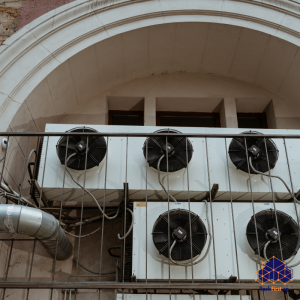
The air conditioning system suffers the most during renovation. Even with the unit covered, the blower fan pulls fine dust through the gaps in the plastic sheeting. Cement dust enters the evaporator coil and mixes with condensation to form a hard crust. This crust blocks heat exchange and forces the compressor to work harder. The blower wheel accumulates a thick layer of gypsum and wood dust, throwing the fan off balance and creating a rattling noise.
Worse, the dust settles inside the drainage pipe. When the aircon runs again, the water mixes with the dust and forms a sludge that clogs the pipe. Water leaks from the indoor unit and stains the freshly painted walls. A standard aircon filter wash cannot reach the coil or the blower. The unit needs a full chemical overhaul to dissolve the cement and restore proper airflow. Running the aircon without cleaning it first simply bakes the dust onto the coil, making removal harder.
Health Risks from Silica and Chemical Residues
Renovation dust contains crystalline silica from cement and concrete. Inhaling silica particles irritates the lungs and can cause long-term scarring. The fine particles bypass the nose and throat, lodging deep in the alveoli. For children, elderly residents, and those with asthma, the first days after renovation present the highest risk. The dust also carries volatile organic compounds from paints, varnishes, and adhesives. These gases off-gas for weeks and concentrate in poorly ventilated rooms.
Standard cleaning does not remove these chemical residues. In fact, harsh cleaning agents can react with the residues and create new irritants. A post-renovation clean must include air purification and proper ventilation, not just surface wiping. Opening the windows helps, but in Singapore’s humid climate, open windows also invite mold growth on damp surfaces. The solution is a combination of mechanical extraction, HEPA vacuuming, and controlled airing.
Protecting New Surfaces While Removing Debris
New surfaces require different cleaning agents and techniques. Acidic cleaners etch marble and limestone. Alkaline cleaners dull lacquered wood. Abrasive pads scratch glass and polished metal. A generic cleaning service may use the same chemical on every surface, causing irreversible damage within minutes. The post-renovation clean must match the cleaning agent to the material. Granite needs a neutral pH stone cleaner. Glass needs a non-ammonia solution to avoid streaking. Brushed nickel fixtures require a dry microfiber buff rather than a wet wipe.
The edges and joints demand attention too. Grout lines trap dust and discolor quickly if not vacuumed before mopping. Silicone seals around sinks and shower screens collect a paste of dust and moisture that turns black. A professional clean uses fine-bristle brushes and low-pressure steam to lift debris from these grooves without forcing water behind the seals. The goal is to preserve the new finishes, not accelerate their wear.
Professional Tools That Make the Difference
Standard cleaning relies on a broom, a mop, and a rag. Post-renovation cleaning requires a different arsenal. A HEPA-filtered industrial vacuum captures the fine particles instead of exhausting them back into the room. A backpack vacuum with a brush attachment reaches the tops of cabinets and the inside of drawers without spreading dust. A microfilter vacuum traps the silica and gypsum at the source.
For the aircon, a technician must dismantle the fan coil unit and flush the coil with an alkaline cleaner. This dissolves the cement crust and kills any mold that formed during the idle period. The blower wheel needs removal and soaking, not just a spray. The drainage pipe needs flushing with water pressure to clear the sludge. These are not tasks a general cleaner can perform. They require the tools and training of an aircon specialist.
The Right Sequence for a True Post-Renovation Clean
The order of operations matters as much as the tools. Starting with the floor and working upward spreads dust onto freshly cleaned walls. Starting with the ceiling and working down allows gravity to carry the loosened dust to the floor for final extraction. The sequence begins with dry vacuuming of all high surfaces, then walls, then joinery, then floors. Only after the dry extraction does wet cleaning begin. The wet phase starts with clean water and ends with a final dry buff.
The aircon cleaning comes before the final floor vacuum. When a technician blows out the coil and blower, dislodged dust falls into the room. Schedule the aircon chemical wash first, then do the final floor extraction. This prevents re-contamination of the living space. In an HDB, the trunking and piping also need a wipe-down, as they collect a layer of fine dust that the aircon then recirculates.
A renovation transforms your flat, but the dust it leaves behind can undo the work and harm your health. Standard cleaning masks the problem; professional deep cleaning eliminates it at the source. Do not let cement dust choke your new aircon or settle into your lungs. Contact us over Whatsapp today. Protect your new finishes, restore clean airflow, and move into a home that feels as fresh as it looks.