The term “frame type” refers to the mounting method. This grille attaches directly to the window frame itself. This differs from wall-mounted versions that anchor into the surrounding concrete. The distinction directly impacts the structural load-bearing capacity and the visual finish.
Frame mounting offers a cleaner profile. It reduces the visual footprint of the brackets. This makes it a popular choice for homes seeking an unobstructed view. However, the frame’s material—often aluminum or steel—determines the strength of the attachment.

The Mounting System: Where the Grille Connects
The connection points sit exclusively on the window frame. Installers use specific brackets that clamp or screw into the frame’s existing structure. This method avoids drilling into the wall. This preserves the wall plaster and paint.
The frame must possess sufficient thickness to hold the tension. Thin aluminum frames may require additional reinforcement. Without this, the tension from the stainless steel wires can warp the frame over time. A professional assessment determines the frame’s suitability before installation begins.
The Role of Frame Material in Durability
Window frames in Singapore flats come in various materials. Aluminum frames are common in newer HDB flats. Older units often feature steel frames.
Aluminum frames corrode at a slower rate than steel. However, aluminum is softer. The bracket screws must not strip the aluminum threads. Steel frames offer stronger holding power. They do require protection against rust. The choice of screws and anchors must match the frame material. Using the wrong combination compromises the entire installation.
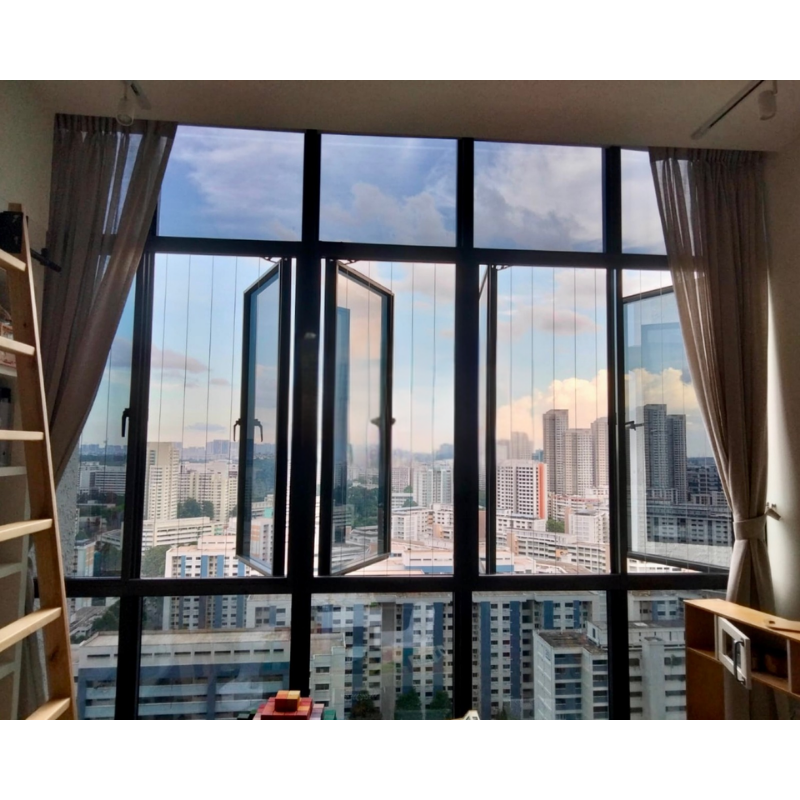
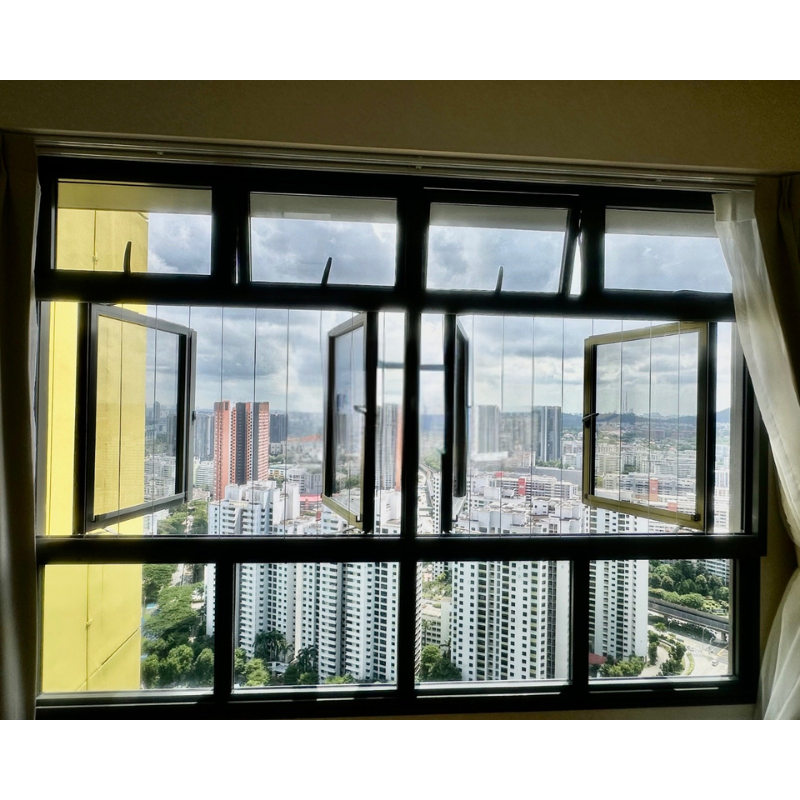
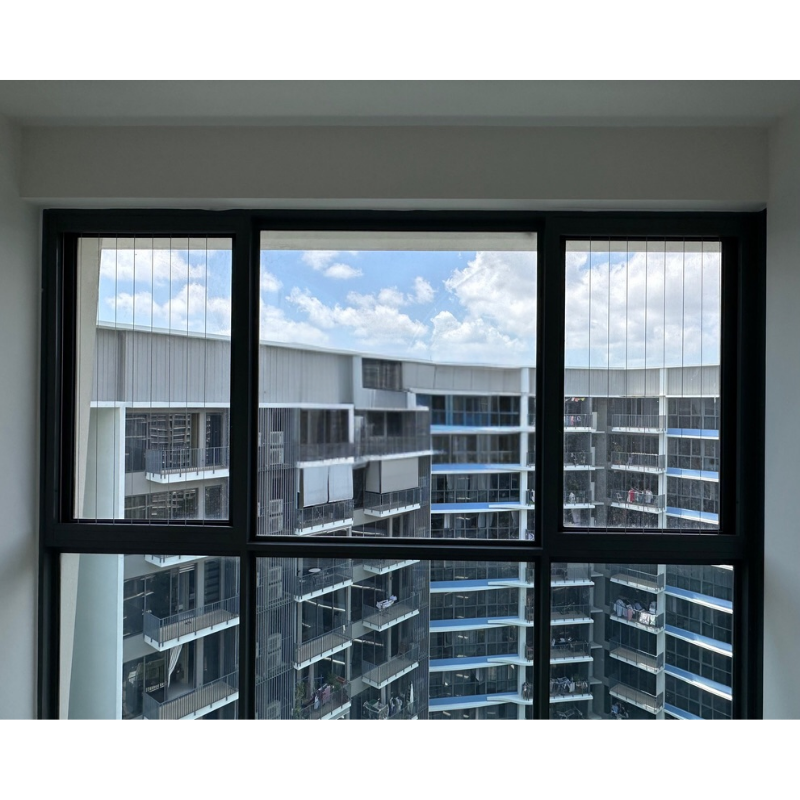
Tension and Its Effect on the Frame
Tensioning the wires applies constant force to the frame. This force pulls the brackets inward. Over time, this can cause the frame to bow slightly.
The bowing effect becomes visible as a curve in the window frame. It can also affect the window’s sliding mechanism. The glass panels may become difficult to open or close. Correct tensioning requires a gauge that measures the exact pull. This prevents the frame from bearing excessive load. The tension must be firm but not straining the frame’s natural tolerance.
Compliance with HDB and BCA Guidelines
HDB regulations allow frame-mounted grilles. However, the grille must not obstruct any emergency escape routes. The mounting method must not weaken the window frame’s structural integrity.
The spacing between wires must comply with safety standards. The typical spacing does not exceed 150mm. This prevents a child from passing through. The installer must also ensure that the grille does not interfere with the window’s operation. A non-compliant installation may require removal at the owner’s expense.
Maintenance Considerations for Frame Types
Frame-mounted grilles allow for relatively simple wire replacement. The installer can release the tension, replace the damaged wire, and re-tension.
Cleaning the glass remains a challenge. Fixed frame grilles do not swing open. Homeowners use magnetic cleaners or hire professionals. The brackets may collect dust and debris. Regular wiping with a damp cloth prevents buildup. Rust forms on the brackets if the protective coating gets scratched. Marine-grade stainless steel resists this corrosion effectively.
Frame Type vs. Wall Type Grilles
Wall type grilles mount into the concrete. This provides a stronger anchor point. Concrete holds tension without warping. Frame type grilles offer a sleeker appearance. They require less drilling and create fewer holes.
The choice depends on the window frame’s condition. Older frames may not withstand the tension. Newer, thicker frames perform well. Homeowners should inspect the frame’s thickness before deciding. A thin frame indicates that wall mounting may be the safer option.
Installation Nuance: The Screw Depth
The screw depth into the frame is critical. The screw must penetrate deep enough to hold the bracket. Shallow screws will pull out under tension.
Installers measure the frame’s depth before drilling. The screw should engage at least 10mm of the frame material. This depth ensures adequate holding power. The bracket must sit flush against the frame. Any gaps reduce the contact area and increase the risk of failure. A flush fit also improves the visual finish.
Conclusion: Making an Informed Decision
Frame type invisible grilles present a practical solution for modern Singapore homes. They offer a clean aesthetic while maintaining safety. The key lies in proper frame assessment and tension control.
Selecting the right installer makes the difference between a lasting installation and a problematic one. The frame’s condition dictates the success of the mounting. Homeowners also benefit from professional advice before committing to the installation.
FixFirst provides thorough site assessments for and installation of frame type grilles. Contact FixFirst to schedule an evaluation of your window frames. A proper assessment ensures your grille meets safety standards and performs as intended for years to come.