What Exactly Is a Fixed Invisible Grille?
A fixed invisible grille consists of high-tensile stainless steel cables stretched taut across window openings or balconies. Unlike traditional metal bars that create a cage-like appearance, these thin cables remain nearly invisible from a distance. The “fixed” designation means the cables cannot be opened or moved. This permanence makes the fixed invisible grille the preferred choice for homeowners who want a one-time installation that requires no ongoing adjustments. The cables anchor directly into solid concrete walls or, where walls are unavailable, into a custom-built frame. The result is a safety barrier that preserves your view, maintains airflow, and keeps your family secure.

Why Choose a Fixed Invisible Grille Over Traditional Grilles?
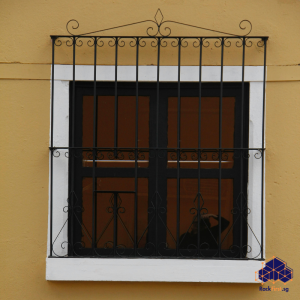
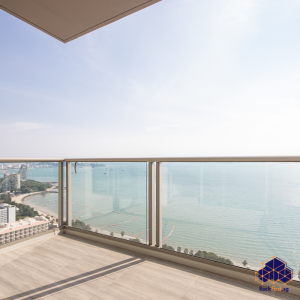
Traditional metal grilles obstruct views, block natural light, and give homes a prison-like appearance. A fixed invisible grille solves all these problems at once. The thin stainless steel cables usually 2.0mm to 2.5mm in diameter remain practically invisible from a few metres away. Your panoramic view stays intact and your living spaces remain bright and airy.
The safety performance of a fixed invisible grille matches or exceeds that of traditional grilles. Quality cables withstand pressure up to 90kg. Properly tensioned cables do not bow or sag. For families with young children or pets, the standard spacing between cables (no more than three inches) prevents anyone from squeezing through. The fixed invisible grille delivers uncompromising protection without compromising your home’s aesthetics.
HDB Regulations for Fixed Invisible Grille Installation
Singapore homeowners often ask whether a fixed invisible grille requires HDB approval. The answer depends on the installation location.
For internal windows in living rooms, bedrooms, and kitchens, installing a fixed invisible grille does not require prior HDB approval. The grilles must remain fixed internally and must not protrude from the building’s main facade. They cannot obstruct window openings or extend more than 50mm from the external wall.
Service yards and balcony parapets follow different rules. A fixed invisible grille installed at these locations requires HDB approval. Homeowners must review approved designs through My HDBPage before proceeding. The grilles must comply with the approved designs specified in the relevant HDB factsheet.
Engaging a BCA-approved window contractor remains non-negotiable for any fixed invisible grille installation. Only BCA-registered contractors listed with HDB may carry out window works. Failure to engage a registered contractor constitutes an offence under the Housing & Development (Renovation Control) Rules, carrying fines up to $5,000.
Material Quality: What To Look For
The durability of a fixed invisible grille depends entirely on material quality. Marine-grade 316 stainless steel offers the best corrosion resistance for Singapore’s tropical climate. This grade withstands high humidity, heavy rain, and the salt air common in coastal areas. Standard nylon or Teflon coatings crack and peel within three to five years under Singapore’s intense UV exposure. Quality cables use specially formulated membranes that retain integrity for ten years or more.
Homeowners should always ask contractors to specify the stainless steel grade they use. A contractor who cannot provide material specifications lacks the necessary expertise. The fixed invisible grille represents a long-term investment in your home’s safety. Cutting corners on material quality compromises that investment.
Installation: Getting It Right the First Time
Proper installation of a fixed invisible grille requires precision and expertise. The installer must tension each cable correctly. Too loose and the cables sag; too tight and they place excessive strain on the mounting points. Correct tensioning uses a gauge that measures the exact pull. This prevents the frame from bearing excessive load over time.
The mounting method matters equally. A fixed invisible grille installs directly into solid concrete walls. Where concrete walls do not exist, installers construct a supporting frame. The choice between wall mounting and frame mounting affects both appearance and structural integrity. Older window frames may not withstand the tension required.
Maintenance and Long-Term Care
A fixed invisible grille requires minimal maintenance. Regular wiping with a damp cloth prevents dust and debris buildup on the brackets. The stainless steel cables themselves resist corrosion and do not require special treatment.
Cleaning the glass behind a fixed invisible grille presents the main challenge. Since the grille does not open, homeowners use magnetic cleaners or hire professional window cleaning services. This minor inconvenience proves a small price to pay for the safety and aesthetic benefits a fixed invisible grille provides.
The Fixed Invisible Grille: A Sound Investment for Every Singapore Home
Singapore’s high-rise living demands safety solutions that do not sacrifice quality of life. The fixed invisible grille answers this demand perfectly. It protects children and pets from falls. It deters intruders. It preserves views, light, and ventilation. It also complies with HDB regulations when installed correctly by BCA-approved contractors. The fixed invisible grille costs more than traditional grilles upfront. But the long-term benefits make it the smarter choice.
Ready to install a fixed invisible grille in your home? FixFirst connects you with BCA-approved window contractors who understand HDB regulations. Schedule a site assessment today and get a free quote. Contact us over Whatsapp now.