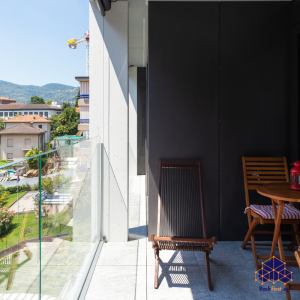
Singapore’s weather defines how we live. Our high humidity, frequent rain, and constant warmth create an environment where mould and mildew thrive. Nothing demonstrates this challenge more clearly than the walls of our homes. You might notice dark spots appearing in corners, paint bubbling near windows, or a musty smell in rooms with poor ventilation. These problems stem not from poor housekeeping but from the relationship between your walls and the tropical air. The paint you choose determines whether your walls remain beautiful for years or deteriorate within months. This guide explains how different paint finishes perform in our climate and which ones offer real protection against Singapore’s unique conditions.

How Humidity Attacks Your Walls
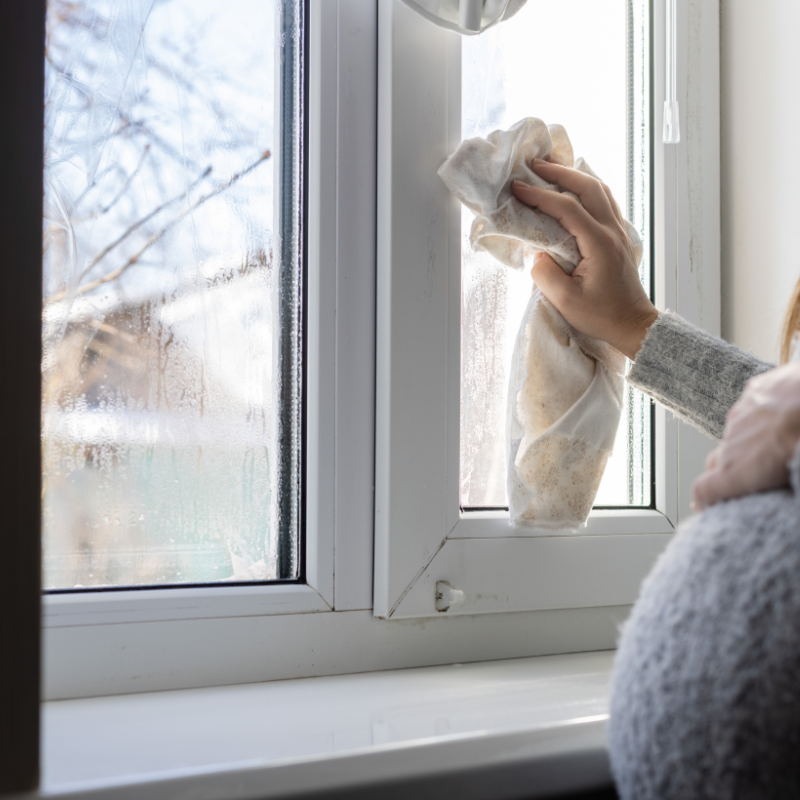
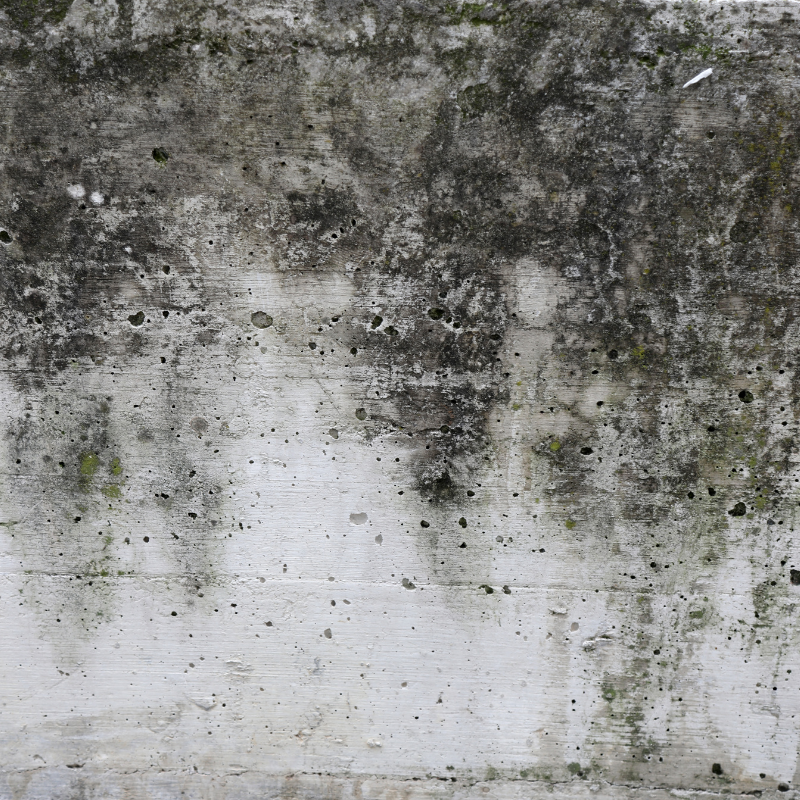
Understanding the enemy helps you fight it effectively. Humidity refers to the moisture suspended in the air. When warm, humid air meets a cooler surface—like an air-conditioned wall—condensation occurs. Water droplets form on the surface, seeping into microscopic pores in the paint. This moisture creates the perfect breeding ground for mould spores, which float through the air constantly. Once they land on a damp surface, they establish colonies that spread quickly. The result appears as unsightly black spots that damage both the paint and the underlying wall material over time.
Beyond mould, humidity causes paint to blister, peel, and crack. Water trapped beneath the paint film expands and contracts with temperature changes, destroying the bond between paint and wall. This process accelerates in bathrooms, kitchens, and any room where activities generate additional moisture.
Paint Finishes Explained: What Sheen Means
Paint finishes, also called sheens, describe how much light the surface reflects. This characteristic affects not only appearance but also durability and moisture resistance. Understanding the options helps you match the right finish to each room.
- Flat or matte finishes absorb light, creating a non-reflective surface that hides imperfections well. They look beautiful in low-traffic areas but offer poor resistance to moisture and cleaning. Water penetrates matte surfaces easily, making them vulnerable to mould and staining.
- Eggshell finishes provide a soft, low-lustre appearance with slightly better durability than flat paints. They resist moisture moderately well and tolerate gentle cleaning. Many homeowners choose eggshell for living rooms and bedrooms where appearance matters but humidity stays moderate.
- Satin finishes strike an excellent balance for Singapore homes. They reflect more light than eggshell, creating a subtle glow while offering good moisture resistance. Satin paints clean easily and withstand the occasional wipe-down without damage. This finish works well in family rooms, children’s bedrooms, and hallways.
- Semi-gloss and gloss finishes produce noticeable shine and maximum durability. Their hard, smooth surfaces resist moisture effectively and clean easily with just soap and water. These finishes suit high-humidity areas like bathrooms and kitchens perfectly. The only drawback involves their tendency to show wall imperfections more clearly than flat paints.
Specialised Paint Technologies
Modern paint chemistry offers solutions specifically designed for tropical climates. Manufacturers now formulate paints with additives that actively resist mould growth rather than simply creating a barrier.
- Anti-microbial paints contain agents that inhibit mould and bacteria development. These additives remain active throughout the paint’s life, protecting the surface continuously. For Singapore homes, this technology proves invaluable in bathrooms, kitchens, and rooms with limited airflow.
- Mould-resistant paints go a step further by combining anti-microbial properties with formulations that reduce moisture absorption. These paints create surfaces where water beads rather than soaks in, denying mould the damp environment it needs to establish.
- Anti-bacterial paints extend protection to harmful bacteria as well as mould. These formulations benefit homes with young children, elderly residents, or anyone with respiratory sensitivities. The active ingredients reduce the microbial load on walls, contributing to healthier indoor air quality.
- Washable paints feature hard-wearing binders that allow repeated cleaning without damage. You can scrub marks and stains without removing the paint film. This characteristic proves essential in homes where children, pets, or high traffic create constant challenges.
Matching Finishes to Rooms
Different rooms in your home face different challenges. Matching the paint finish to each space maximises both beauty and longevity.
Living rooms and bedrooms experience moderate humidity but require aesthetic appeal. High-quality eggshell or satin finishes offer the best compromise. They look beautiful under both natural and artificial light while providing enough moisture resistance for Singapore’s ambient humidity. Choose washable formulations if you have children or entertain frequently.
Bathrooms face the toughest conditions. Steam from hot showers saturates the air several times daily, creating condensation on every surface. Semi-gloss or gloss finishes provide the necessary protection here. Their hard, non-porous surfaces resist water absorption and clean easily when mould tries to establish. Pair these paints with adequate ventilation fans to remove moisture quickly.
Kitchens combine humidity from cooking with grease particles that settle on walls. Satin or semi-gloss finishes allow you to wipe away cooking residue without damaging the paint. Look for formulations specifically designed for kitchen use, as they resist both moisture and grease better than standard paints.
Service areas like bomb shelters and storerooms often suffer from poor ventilation. These spaces benefit from the most durable finishes available. Semi-gloss paints with strong anti-mould properties keep these rooms fresh despite limited airflow.
Preparation Determines Success
Even the best paint fails if you apply it over existing problems. Mould requires complete removal before painting. Simply painting over visible spots guarantees their return, as the mould continues growing beneath the new paint.
Professional preparation involves cleaning affected areas with appropriate solutions, sanding to create a smooth base, and applying specialised primers that seal the surface. Anti-mould primers contain fungicides that kill remaining spores and prevent regrowth. These primers also improve paint adhesion, ensuring your new finish bonds properly.
Existing wall damage from moisture requires repair before painting. Cracked or bubbling paint needs scraping away completely. Plaster damage requires patching and sanding to restore a smooth surface. Skipping these steps leads to visible imperfections and premature paint failure.
The Professional Advantage
Selecting the right paint represents only half the battle. Proper application determines whether the paint performs as promised. Professional painters understand how our climate affects drying times, how many coats different surfaces require, and which techniques produce the smoothest results.
They also recognise problem areas that homeowners might miss. Signs of rising damp, previous water damage, or structural issues that cause persistent moisture all require attention before painting begins. Identifying these issues early saves you from repeating the work within months.
Professional teams carry industrial-grade equipment that achieves better results than consumer tools. Commercial sprayers, heavy-duty rollers, and professional brushes apply paint more evenly and efficiently. They also maintain proper ventilation during application, reducing fume exposure and accelerating drying.
Long-Term Wall Care
Once you finish painting, ongoing maintenance extends the life of your work. Run exhaust fans during and after showers to remove humidity at its source. Wipe condensation from windows and walls promptly rather than letting it evaporate naturally.
Clean walls gently with soft cloths and mild soap when marks appear. Harsh scrubbing damages paint surfaces, reducing their protective qualities. Address any signs of mould immediately with appropriate cleaners before colonies establish.
Monitor areas prone to moisture, such as corners behind furniture and walls near air conditioners. Improving airflow around these spots prevents problems before they start. Simple adjustments like pulling furniture away from walls make meaningful differences.
Protect your home with professional painting. The team at FixFirst understands Singapore’s climate challenges completely. We recommend and apply the right finishes for every room. Contact FixFirst today for a consultation and quotation.