Open the back of a power socket or peer inside your electrical distribution box, and you will see a small rainbow of insulated cables. Those distinct electrical wire colors are not decorative. They form a universal language that tells any electrician exactly what job each wire performs. Understanding this simple code gives you valuable insight into your home’s safety systems.
This guide explains the standard electrical wire colors used in Singapore, what each colour signifies, and why this system exists to protect you.

Decoding the Standard Electrical Wire Colors in Singapore
In every modern Singaporean home, the wiring follows a strict colour code mandated by the Energy Market Authority (EMA). This standardisation ensures consistency and safety across all electrical wire colors used in residential and commercial installations.
If your home was built or rewired in the last few decades, you will encounter three primary colours:
The Live Wire: Brown 🟤. This wire carries the electrical current from your distribution board to your lights, sockets, and appliances. It is the hot wire and always poses a potential shock hazard. In some older properties, you might still find a red wire serving this function, but brown is the current standard.
The Neutral Wire: Blue 🔵. The blue wire provides the return path for the current back to the electrical panel, completing the circuit. It carries electricity under normal conditions, but at a lower voltage than the live wire. Like the live wire, you should always treat it with respect. Older installations may use a black wire for neutral.
The Earth Wire: Green 🟢 and Yellow 🟡 . This crucial safety wire features a distinctive striped pattern. Its sole purpose is protection. In a fault condition, it provides a safe path for electricity to travel to the ground, triggering the circuit breaker and preventing electric shock.
These electrical wire colors allow any Licensed Electrical Worker to instantly assess a situation, reducing the risk of errors during installation or repair.
The Role of Live, Neutral, and Earth Wires
Knowing the electrical wire colors means little without understanding what each wire does within your home’s system. Think of your electrical circuit as a carefully managed loop.
The live wire (brown) sends power out to the device. The neutral wire (blue) brings that power back. This constant flow of electricity powers your everyday life. The earth wire (green and yellow) stands ready as a silent guardian. It normally carries no current. However, if a fault occurs—for example, a live wire touches a metal appliance casing—the earth wire provides a direct, low-resistance path for that fault current to travel back to the source. This sudden surge trips the breaker, cutting power instantly.
Without the correct electrical wire colors, identifying which wire performs which role becomes guesswork. That guesswork can lead to serious accidents. The colour coding eliminates ambiguity, ensuring that during a new electrical wiring installation, the earth wire connects to the earth terminal, and the live wire connects to the correct breaker.
What To Do When Wire Colors Don't Match the Standard
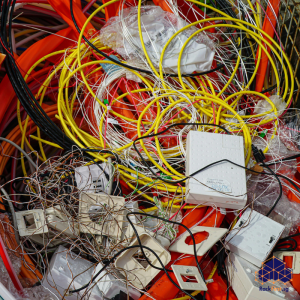
While the current standards are clear, you might encounter non-standard electrical wire colors in your home. This situation commonly occurs in older HDB flats or private houses built before the latest code updates. You might open a switch and find red for live and black for neutral. This does not automatically mean danger, but it does mean caution. If you are renovating an older property, or if you notice a mix of old and new wiring, here is the practical approach:
First, do not attempt any DIY work on wiring with unfamiliar colours. Second, have a professional electrician from a service like FixFirst conduct a thorough inspection. They can verify the condition of the insulation and ensure the connections remain safe. If you are extending the wiring or modifying the circuit, they will likely recommend bringing the entire section up to the current colour standard for consistency and future safety.
Remember, the purpose of standardised electrical wire colors is to make the system safer for everyone who works on it. Mixing colour standards within a single circuit creates confusion and risk.
The simple palette of brown, blue, and green-and-yellow represents a carefully designed safety language. Each time you see these colours in a new fixture or behind a faceplate, you witness the result of decades of safety evolution. Respecting that system means respecting the power it controls.
If you have concerns about the wiring in your home, if colours seem mismatched, or if you are planning any electrical work, do not rely on guesswork. Contact FixFirst today. Our skilled technicians understand the language of electrical wire colors perfectly and will ensure your home’s electrical system speaks the clear language of safety.