For Singaporean homeowners, the kitchen remains a central hub of domestic life, yet it constantly battles for every square inch of space. As we look toward 2026, kitchen storage is undergoing a profound transformation. The conversation is shifting away from cabinetry and towards intelligent, holistic systems that actively work to maximize efficiency, enhance well-being, and express personal style. The future of kitchen storage in HDBs and condos is not about adding more, but about creating smarter, more adaptable, and deeply personalized spaces that truly serve the modern household.
Vertical Spatial Maximization with Lift-Up Systems

With floor space at a premium, the vertical plane becomes the new frontier for kitchen storage. The trend for 2026 moves beyond standard upper cabinets to sophisticated vertical lift-up systems. These mechanisms, employing smooth hydraulic or pneumatic pistons, allow cabinet doors to swing upwards and out of the way, completely transforming accessibility. This design eliminates the awkward head-bumping and arm-straining associated with traditional hinged doors, especially over countertops or islands.
The appeal for Singaporean kitchens is clear. It creates a cleaner, more streamlined aesthetic with unbroken lines, making small kitchens feel larger and more open. These systems provide full, unobstructed access to the entire cabinet interior, turning dead space at the back into easily reachable storage. This approach represents a fundamental shift from passive storage to active, user-friendly space management, ensuring no corner goes unused.
Hybrid Material Textures

The monolithic kitchen of a single material is fading into obscurity. The 2026 palette celebrates a thoughtful mix of textures and finishes to create visual depth and character. We see a move towards combining warm, natural elements with cool, sleek surfaces. Think of a kitchen that pairs the organic grain of light-toned oak or bamboo with the crisp, minimalist appeal of matte lacquer or monolithic slabs.
This hybrid approach allows for zoning within the kitchen. A run of cabinets in a warm wood might define the pantry area, while a sleek, handle-less run in a dark tone houses cooking essentials. This textural interplay prevents the kitchen from feeling cold or sterile, instead fostering an environment that is both highly functional and emotionally resonant. It reflects a desire for kitchens that feel like an integrated part of the home’s living space, not just a utilitarian box.
Integrated Appliances and Dedicated Tech Nooks

As our kitchens fill with an array of countertop appliances—from air fryers and coffee machines to blenders—a new storage category has emerged. This is a dedicated cabinet or recessed niche, often with a tambour or sliding door, designed to house these gadgets when not in use. The 2026 iteration of this trend includes integrated power outlets within the compartment, allowing for easy use without the need to move heavy items, thus maintaining a clear and clutter-free countertop.
Alongside this, dedicated tech nooks for charging tablets and smartphones are becoming a standard consideration. These are thoughtfully integrated into kitchen islands or pantry cabinets, complete with cable management systems to avoid a tangled mess. This trend directly addresses the reality of the modern household, where the kitchen often doubles as a command center, requiring smart solutions for digital and culinary tools alike.
Dynamic and Adaptable Internal Cabinet Systems

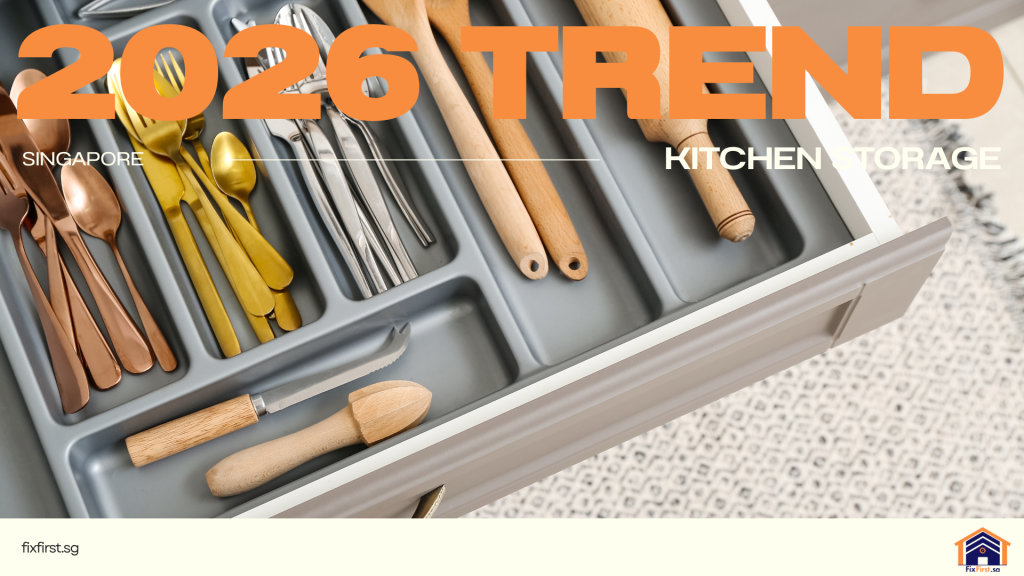
The true intelligence of a 2026 kitchen lies behind closed cabinet doors. The focus is on highly dynamic and adaptable internal systems that transform standard shelves into custom-organized spaces. Manufacturers and carpenters are designing cabinetry around specific items. Pull-out tall units with adjustable heights for bottles and oils, integrated cutlery trays with dedicated compartments, and narrow pull-out racks for spices and condiments are becoming the norm.
This extends to drawers with built-in peg systems that allow for infinite customization of dividers, and under-sink cabinets with clever retractable racks that wrap around plumbing. This trend moves away from the one-size-fits-all shelf, acknowledging that efficient storage must be as unique as the items it holds, dramatically improving workflow and reducing the time spent searching for ingredients and tools.
Sustainable Material Choices and Longevity Focus

A growing ecological consciousness is shaping material selection in kitchen storage. Homeowners in 2026 show a marked preference for cabinetry made from sustainable sources, such as bamboo, recycled wood composites, and panels with low VOC (Volatile Organic Compound) emissions. The drive is not just for eco-friendly materials but for exceptional quality and longevity.
The throwaway culture of cheap, disposable furniture has no place in this vision. Instead, the investment is in durable hardware—full-extension drawer runners, soft-close mechanisms, and hinges from reputable brands that promise decades of smooth operation. This trend champions a “buy once, buy well” philosophy, focusing on creating a kitchen that ages gracefully, reducing waste and offering better value over time.
Concealed and Disappearing Elements

The pursuit of a serene, minimalist kitchen aesthetic is leading to the popularity of truly concealed and disappearing elements. Push-to-open, handle-less cabinets continue to dominate, creating flush, monolithic surfaces that are easy to clean and visually calming. This concept is expanding to include other features, such as discreetly integrated waste and recycling bins that slide out from behind a cabinet door, hiding mess from view.
A more advanced expression of this trend is the incorporation of pocket doors or sliding panels that can hide the entire kitchen from the living area in open-plan HDB flats. This allows the kitchen to be a fully functional, and potentially messy, workspace that can be magically tidied away at the close of day, preserving the tranquil atmosphere of the home.
Bringing the 2026 Kitchen Storage Trends to Life
Implementing these advanced storage solutions requires a high level of skill and precision. From installing the heavy-duty hardware for lift-up systems and constructing custom internal organizers to ensuring electrical outlets are safely integrated into appliances, the execution is critical. These are not simple DIY projects; they demand the expertise of a seasoned handyman or carpenter who understands both the principles of ergonomic design and the specific structural considerations of Singaporean homes.
Proper installation ensures that these systems function as intended, bearing weight safely and operating smoothly for years. It also guarantees that your investment enhances both the form and function of your kitchen, creating a space that is not only beautiful but a genuine joy to use every day.
The future of kitchen storage in Singapore is intelligent, adaptable, and deeply personal. It is about creating a space that works in harmony with your lifestyle, reducing daily friction and elevating the experience of cooking and gathering. These trends offer a roadmap to a kitchen that is not only organized but truly inspirational.
Craftsmen and handymen at FixFirst are here to bring your vision to life. From custom cabinetry and lift-system installation to integrated electrical work, we provide the skill and precision your project deserves. Contact us for a consultation and let’s create a kitchen that is as smart as it is beautiful.